
VinFast Suspends India EV Manufacturing: Local Production Paused Amid Cost Review
VinFast has decided to halt plans to locally assemble three electric vehicles in India. Requesting suppliers to suspend their operations...
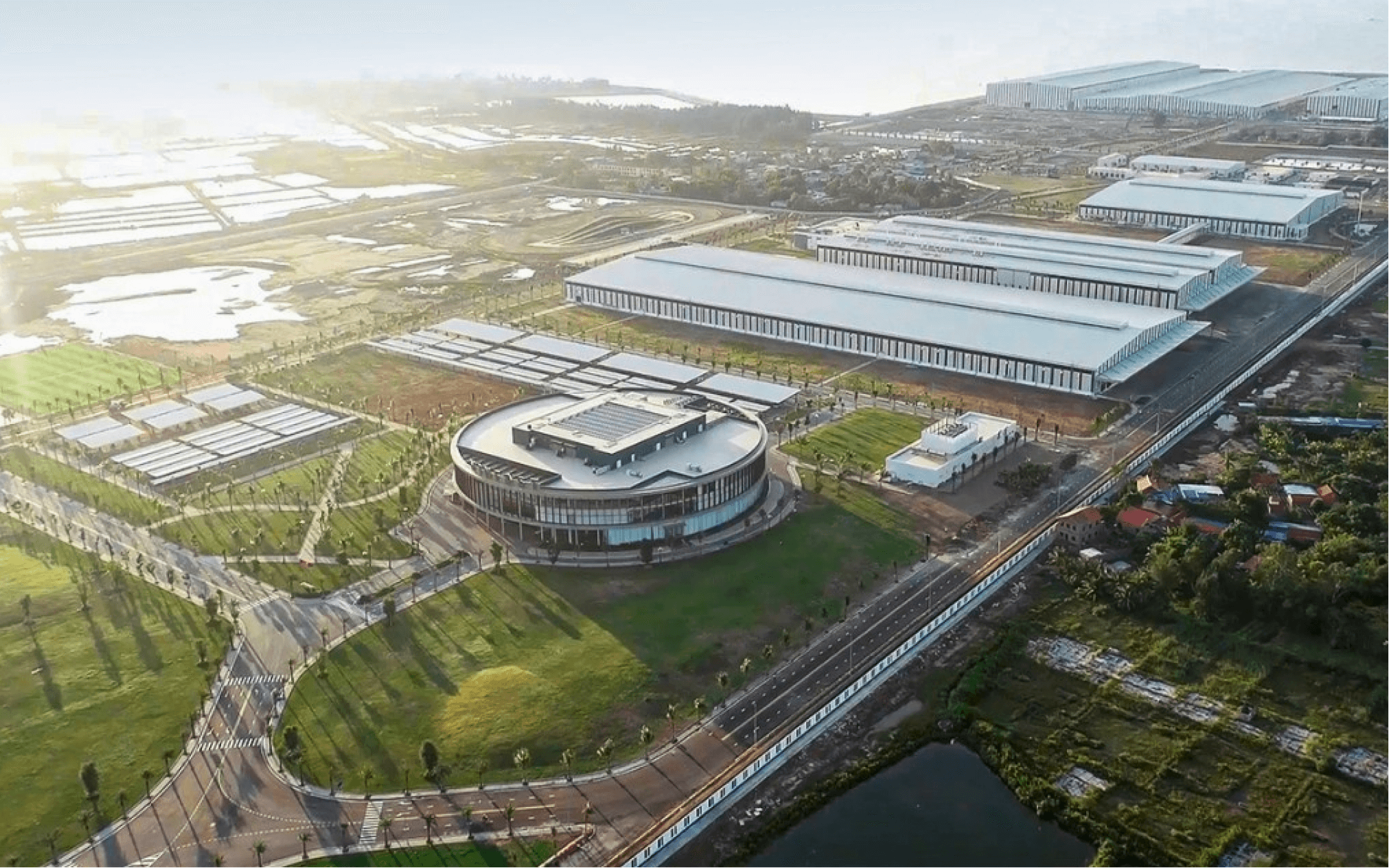
VinFast Suspends India EV Production

VinFast has decided to halt plans to locally assemble three electric vehicles in India. Requesting suppliers to suspend their operations while it reconsiders costs. This development, which is known from internal company correspondence and industry sources. Comes only one year into the brand’s entry into the Indian market. Marks further difficulties for a company that is failing to become profitable following poor performance in the US and Europe markets.
Also Read: Ather Konarc Launched in India at Rs 1 Lakh, Gets Up To 200km Range
What are the Models Involved?
VinFast has asked its suppliers to “hold all activities” on three programs:
- VF3: small two-door SUV, which is expected to become the most affordable model of VinFast in India
- VF6: small electric SUV, which is already in production
- VF7: medium-size electric SUV, which is also in production
The VF6 and VF7 models are already assembled in India. Using kit sets imported from Vietnam in VinFast’s Thoothukudi manufacturing facility in the state of Tamil Nadu. This suspension pertains to the process of localization.
The Content of the Memo
According to the July memo sent to the suppliers by VinFast. The company made the decision to “temporarily” suspend all developments concerning the localization of parts for the VF3, VF6, and VF7. The company also requested from suppliers:
- Detailed description of “total investment to date” in these projects
- All costs that require payment and/or reimbursement, including costs of tooling, engineering, and materials
- Any supporting documentation available
VinFast did not meet its budget expectations concerning development of local parts for these vehicles, which led to the suspension of developments.
Assembly Continues, Localizations Suspended
VinFast explained its plans concerning the launch of the VF6 and VF7. Currently being sold by the company, have not been affected by this memo and assembly will continue at its plant. It is only the suspension of localizations and not a suspension of production and sales.
The future of the VF3 is unclear because of the expectation that the model would become the volume producer with more competitive prices.
Implications for VinFast India Business Strategy
India was intended to be the growth driver of VinFast despite the poor performance in Western countries. This brand has established its production locally, introduced VF6 and VF7 models with reduced introductory prices and became one of the leaders of EV sales in India.
However, the pressure on cost is growing. In late August 2026, VinFast increased the prices of VF6 and VF7 models in India. By up to Rs 90,000 for the VF6 model and by about Rs 1.10–1.13 lakh for the VF7 due to increased production costs. This decision regarding not developing further localisation proves difficulties VinFast is experiencing in reconciling competitive pricing with economic feasibility in the cost-conscious EV market in India.
Buyer and Industry Perspective
- No immediate effect on cars at dealerships: Assembly of VF6 and VF7 will continue, the suspension concerns only further localization development.
- Suspicion regarding VF3 introduction in India: The compact VF3, considered a volume player, is now frozen until costs reconsideration.
- VinFast's localization strategy put to the test: This case demonstrates how essential cost considerations are for companies manufacturing EVs in India.
VinFast has not announced a revised timeline for resuming localisation work on the VF3, VF6 and VF7. Whether it will restructure supplier contracts and part-sourcing plans to meet its cost goals.
ELCTRIK Speaks
The fact that VinFast has decided to temporarily put manufacturing operations of three of its EV models in India on hold. It is an obvious indication that its financial calculations have not worked out thus far. Despite its efforts to make India into a growth driver following setbacks in the USA and Europe. However, at the moment, only the VF6 and VF7 models will continue their production. The fate of the VF3 model and VinFast's localization plans in general rest on the company’s ability to sort out its cost situation.