
VinFast Denies Production Halt in India: Approved for Phase 2 Production!
VinFast has strengthened its India focus further. The firm has confirmed that it will develop EVs specially for the Indian market and not...
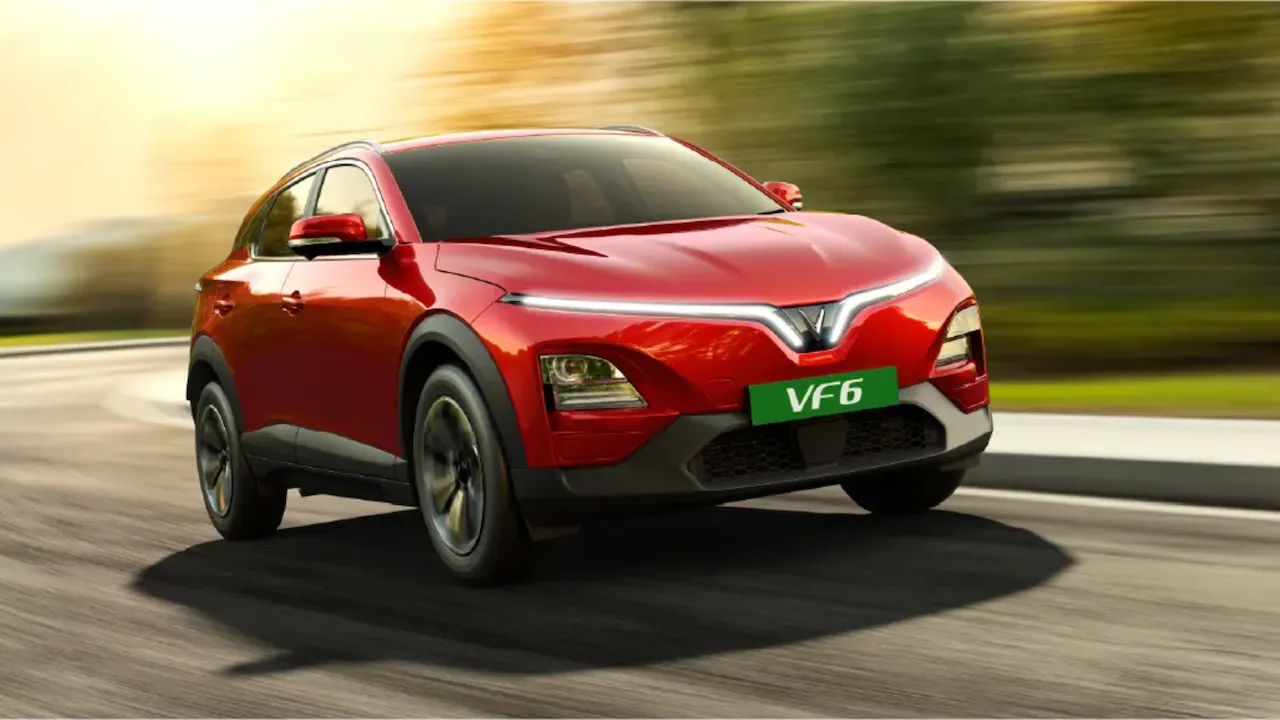
Vinfast Production Phase 2

Vinfast has strengthened its India focus further. The firm has confirmed that it will develop EVs specially for the Indian market and not adapt its existing global range. At the same time, it has received investment clearance for Phase 2 of its Thoothukudi plant in Tamil Nadu.
Indian EVs, Not Rebadged Global Vehicles
The firm’s new strategy reflects a departure from its previous strategy. Where it would bring its existing range to the Indian market. According to a firm spokesperson future products will be designed, developed and manufactured specifically for the Indian market. With “tailoring to the needs of Indian customers as well as localisation.”
Some of the key elements of its strategy include:
- Carrying out market research and customer clinics to understand Indian requirements
- Adjusting products like the VF6 and VF7 based on local needs
- Targeting a higher level of localisation
Also Read: Why Your Travel Experience Starts Before You Reach the Destination?
Phase 2 of Thoothukudi Plant Gets Green Signal
Vinfast has been granted investment approval for the Phase 2 of its Thoothukudi plant. As part of a total investment plan worth $500 million. Although the exact amount of investment Vinfast has put into Phase 2 is undisclosed. The expansion will see:
- Introduction of additional manufacturing lines for electric buses and two-wheelers
- Increase in plant capacity from 50,000 to 150,000 units annually
- Expansion of Vinfast’s “Make in India” manufacturing strategy
The automaker referred to the decision as an important milestone in increasing production locally and reasserting its long-term commitment to the country.
CKD Assembly for VF6, VF7 to Continue
In spite of the rumors about Vinfast recently making any changes in production strategies. It was made clear that there have been no alterations to production plans for the two models. VF6 and VF7. Both models being offered in India will continue to be assembled through CKD in the Thoothukudi plant.
Vinfast further added that its initial market reaction has been positive enough. For it to be consistently among the top five electric passenger vehicle brands in India. Thus making the justification for continued local operations even stronger.
Reports on Suspension of Production and Denial from Vinfast
According to several media houses reporting on a Reuters report and some anonymous sources, in early September 2026. Vinfast was reported to have halted plans to locally manufacture three electric vehicle models VF3, VF6 and VF7. Further had asked the suppliers to stop manufacturing until it reconsidered its costs.
Following the reports above, Vinfast denied:
- That it has "not changed or suspended its production plans" for the models that it is currently selling in India.
- Further added that it will still go ahead with CKD assembly of VF6 and VF7 in Thoothukudi.
- Although not mentioning all the programmes mentioned in the article, Vinfast has confirmed that the plans of production of the vehicles it sells in India remain the same.
Localisation Efforts and Supplier Relations
One of the main foundations of Vinfast's strategy in India is increased localisation. The company has done the following:
- Conducted supplier meetings in India and Vietnam involving over 300 Indian suppliers
- Assessed possibilities of sourcing in order to increase the localization level of their vehicles
- Met with government organizations to discuss possible policy support for international EV producers
As a result of increasing supplier network and localization level. Vinfast expects to have more favorable cost structures and meet the requirements of India regarding domestic production of electric vehicles.
Implications for Consumers
For Indian consumers, the strategy may imply:
- New vehicles designed with India-specific driving style, roads and price expectations in mind
- Lower prices as a consequence of increased localization
- Increasing variety of models in their line up including buses and two-wheelers from Thoothukudi plant
ELCTRIK Speaks
Vinfast's attempts at making India specific electric vehicles. Phase 2 approvals for its manufacturing facility are a sign of serious intent, and not just lip service. The quick denial by Vinfast on reports of shutting down production indicates its interest in safeguarding its India story against rising costs. Should it succeed in using increased localization to make better priced and Indian market fit products. It would have transitioned from being a niche imported EV brand to becoming a legitimate one.