
TREVEL Signals Next Phase of Growth with $1 Million Fundraise Capital to Accelerate EV Fleet Expansion and Product Development
EV cab-hailing platform Trevel is raising $1 million to scale its fleet, strengthen technology, and expand operations beyond Gurgaon. The company follows a fleet-owned model and plans wider deployment across metro cities.
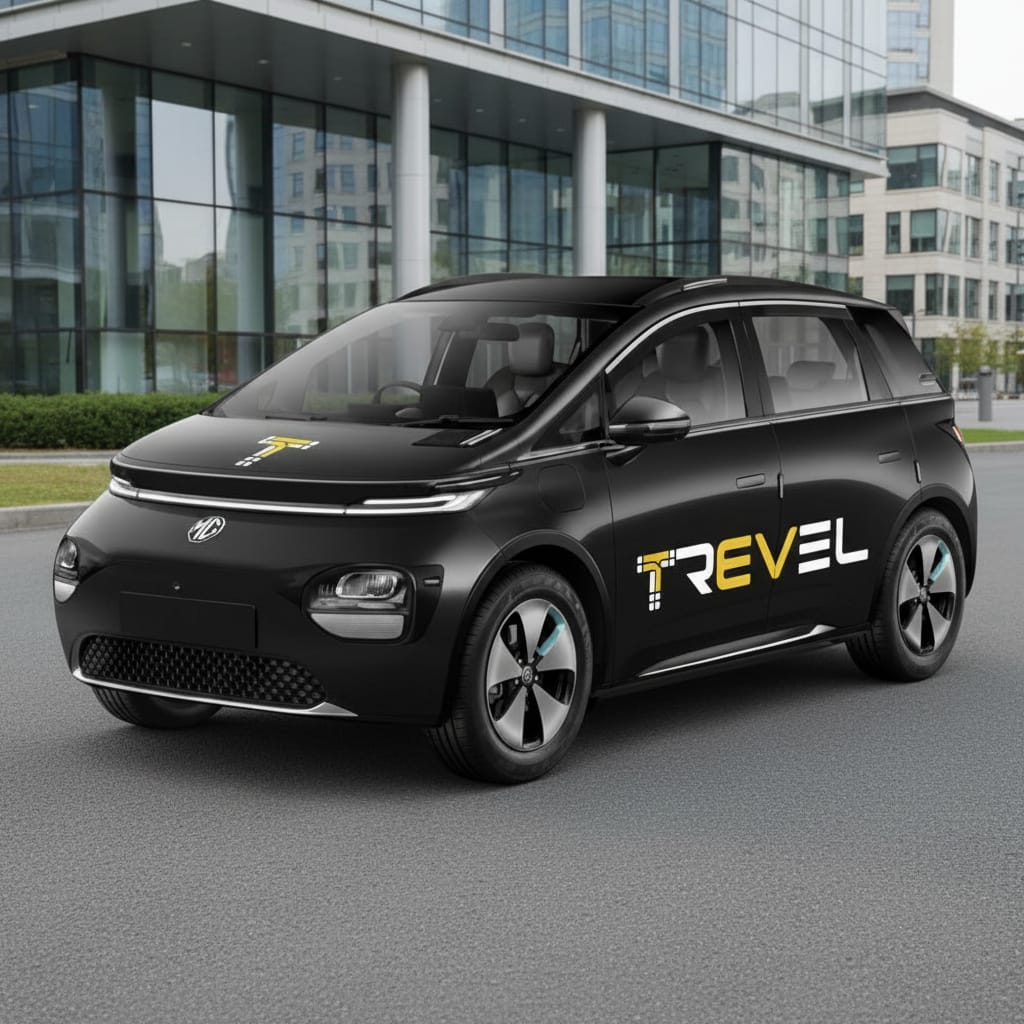

Trevel, an electric cab-hailing platform, announced that it is in the process of raising $1 million. The company stated that it has already secured initial investor commitments. This is expected to be followed by a second announcement after the funding round is closed, with further details on investors and allocation.
Business Model and Operations
Trevel operates using a fleet ownership model, where vehicles are company-owned and drivers are directly employed. The company provides services including airport transfers, city rides, and hourly rentals. Pricing is based on a per-kilometer structure without surge pricing.
The platform is focused on standardizing service delivery through centralized control over vehicles and drivers. It currently operates in Gurgaon, where it has been building its user base.
Expansion Plans
The company plans to scale its fleet to more than 500 vehicles and target over 50,000 monthly riders by FY2027. Expansion into other parts of Delhi NCR and additional metro cities is also part of its roadmap.
Use of Funds
According to the company, the funds raised will be used for expanding its electric vehicle fleet, improving its technology platform, and strengthening operational systems. This includes work on a mobile application, backend systems for fleet management, and tools for monitoring vehicle performance and maintenance.
Long-Term Targets
Trevel aims to scale its operations to 20,000 vehicles across five cities by 2030. It has projected an annual revenue run rate of over INR 2,000 crore at that stage.
Mishu Ahluwalia, Co-Founder and CEO of Trevel, said, “Urban mobility today has become unpredictable when it should be the exact opposite. At Trevel, we are building a system where pricing is fixed and rides are guaranteed, bringing back certainty, safety, and professionalism into everyday travel. The early investor interest in this round reflects a shared belief that reliability-led mobility is not just a niche, but the future of this category. This capital will help us deepen our operational control, scale our electric fleet, and move closer to building a large, sustainable mobility platform for India.”