
The Weekend Has Become a Travel Window: What India’s Short-Break Culture Means for Mobility
In real life, becoming Ved from the Hindi film Tamasha—where the protagonist walks away...
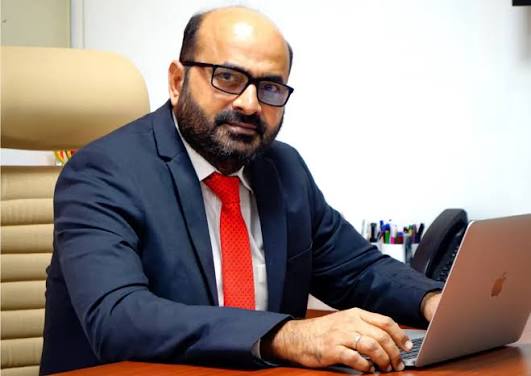
Ashok Vashist, Founder & Group President, WTicabs

Author- Ashok Vashist
In real life, becoming Ved from the Hindi film Tamasha—where the protagonist walks away from corporate life to pursue creativity and storytelling—is difficult and, for most people, impractical. What has become considerably easier, however, is temporarily escaping the daily work grind by turning the weekend into a travel window.
Across India, particularly among younger professionals, short breaks are emerging as a way to disconnect, recharge and return ready for the week ahead. It marks a shift from the traditional annual vacation planned months in advance.
Also Read: Matter Raises Rs 240 Crore: India's First Geared EV Bike, Aera Platform Explained!
According to a report by Airbnb, 87% of Gen Z travellers in India prefer trips lasting less than a week. Travel for this generation is becoming less of an annual event and more of a spontaneous response to an exhausting week, an open weekend or simply a friend's "let's go".
This changing behaviour has important implications for India's mobility ecosystem. When an entire holiday lasts only two or three days, the journey matters almost as much as the destination. Hours spent navigating inconvenient connections, waiting for transportation or dealing with uncertainty can consume a significant part of a short break. Convenience, reliability, flexibility and travel time therefore become central to the travel decision.
For mobility companies, this creates an opportunity to become an integral part of India's growing short-break economy. At WTicabs, we see this shift as a signal that mobility needs to be designed around the traveller's most limited resource—time.
The first priority is seamless booking. Someone planning a two-day getaway does not want to spend hours comparing options or coordinating multiple transfers. A 2025 YouGov report found that 80% of urban Indian travellers experience stress with at least one part of the travel booking process. Easy digital booking, transparent fares, dependable availability and clear communication can remove much of this friction.
The second requirement is reliable intercity connectivity. As short breaks become more frequent, destinations within driving distance of major cities are becoming increasingly accessible. Travellers can leave after work on Friday, maximise their weekend and return before Monday.
This makes dependable outstation mobility particularly relevant. Travellers need confidence that their vehicle will arrive as scheduled, their journey will be comfortable and their pricing will be transparent. At WTicabs, the focus is therefore not simply on getting travellers from one point to another, but on making the overall journey more predictable and convenient.
Flexibility is equally important. Short-break travellers may not want rigid itineraries. Plans can change depending on weather, traffic or discovering an interesting place along the way. Mobility solutions—from professionally driven outstation cabs to flexible hourly rentals—need to accommodate these changing preferences rather than forcing travellers to build their plans around transportation limitations.
Sustainability will also increasingly shape this segment. Deloitte's 2025 Gen Z and Millennial Survey found that 31% of Gen Z respondents in India had already purchased an EV, while another 53% planned to do so. It also found that 85% were willing to pay more for environmentally sustainable products or services.
For mobility companies, the challenge is making EVs practical not only for urban commuting but also for longer recreational journeys. This will require stronger collaboration between mobility providers, governments, charging networks and hospitality businesses. Travellers choosing an EV for a weekend getaway should not have to structure their entire trip around finding a functional charging point.
India's short-break culture may only be beginning. Better highways, hybrid working patterns, digital connectivity and social media-led destination discovery are making shorter, more frequent trips increasingly practical. Demand may also emerge beyond traditional tourist circuits and holiday calendars.
At WTicabs, we believe the opportunity is to build mobility around these changing behaviours— making airport transfers, outstation journeys and hourly travel simpler, more dependable and increasingly sustainable.
The Indian traveller will continue to dream of the long vacation. But for a generation balancing ambition, exhaustion and limited time off, the weekend is increasingly becoming the more practical escape.
For the mobility industry, the message is simple: when travellers have less time, every part of the journey must deliver more value. By designing around the value of time, WTicabs aims to help shape how India travels next—and perhaps make it a little easier for more people to find their own Ved-like moments, without having to quit their jobs to do it.
(Disclaimer: The views and opinions expressed in this article are solely those of Ashok Vashist, Founder & Group President, WTicabs and do not necessarily reflect the official stance of Elctrik. The publication is intended for informational and discussion purposes only.)