
Tesla Model S, Model X Production Reaches End of the Line
Tesla has ended production of its Model S and Model X vehicles as it reallocates manufacturing capacity at its Fremont facility for humanoid robot production.
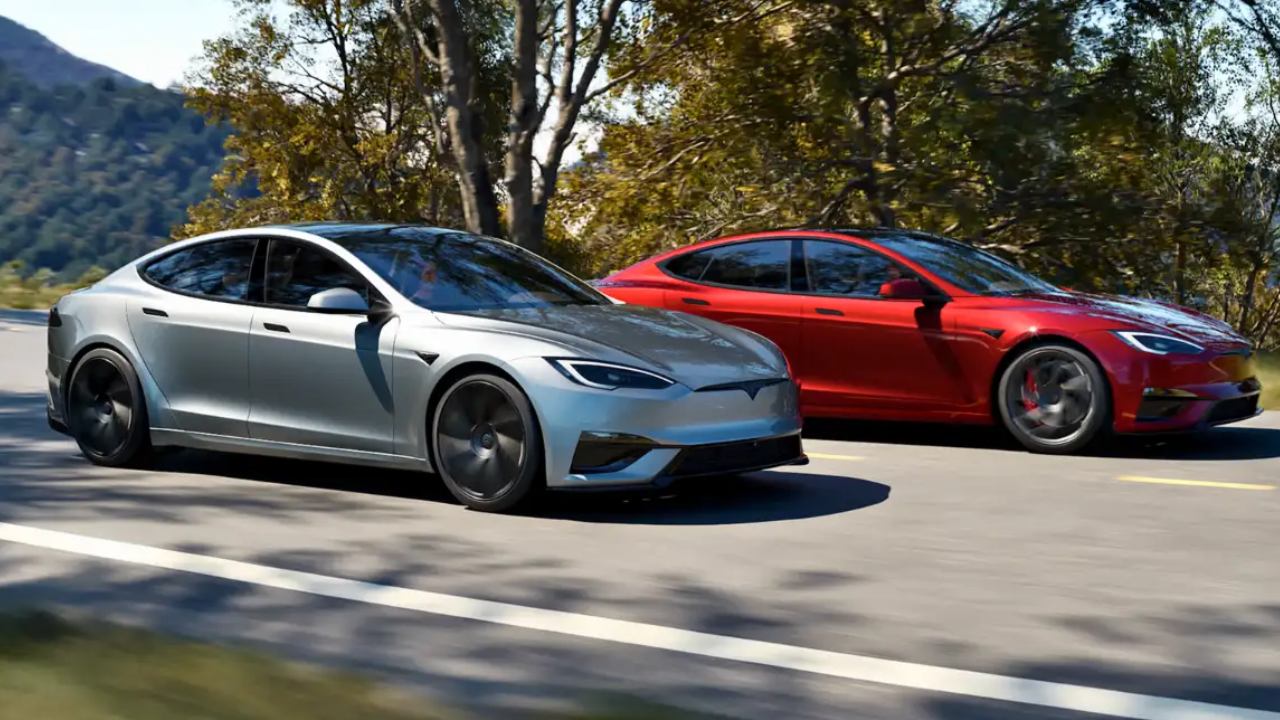
Tesla has stopped production of the Model S sedan and Model X SUV, two of its longest-running electric vehicles. CEO Elon Musk stated that new custom orders for both models have been closed, with only limited inventory remaining. The decision follows earlier indications from the company that production at its Fremont facility in California would be redirected toward manufacturing humanoid robots under the Optimus program.
Also read: EMO Energy Plans 5,000 Fast EV Chargers for Last-Mile Delivery Network in India
Shift in Manufacturing Priorities
Tesla plans to use the Fremont plant for large-scale production of its Optimus humanoid robots. The company has outlined a long-term goal of producing up to one million units annually, although timelines remain uncertain. The move reflects a shift in Tesla’s focus from low-volume premium vehicles toward emerging technology and automation initiatives.
Background of Model S and Model X
The Model S was introduced in 2012 as Tesla’s second vehicle after the Roadster. The Model X followed in 2015 as the company’s first electric SUV with three-row seating. Both models played a role in Tesla’s early growth and technology development. Over time, Tesla introduced multiple updates, including improvements in range, software, and driving performance.
Decline in Sales
Sales of the Tesla Model S and Tesla Model X have gone down in recent years. Reports show that Model S deliveries in the US dropped sharply in late 2025. Model X sales also declined during the same period. At the same time, the Model 3 and Model Y make up most of Tesla’s total sales. In the first quarter of the year, these two models accounted for nearly all vehicle deliveries.
Current and Upcoming Models
Tesla is focusing more on its higher-volume models, such as the Model 3 and Model Y. The company is also developing new products, including the Cybercab and an updated Roadster, but launch timelines are not yet clear. In India, Tesla currently sells the Model Y in two versions, with prices depending on the battery range and variant.
Elctrik Speaks
The discontinuation of the Model S and Model X indicates a shift in Tesla’s product and manufacturing strategy. The company appears to be prioritising higher-volume models and investing in automation and robotics. This transition may influence how other manufacturers allocate resources between vehicle development and emerging technologies.