
Tata Motors Cars and SUV Price Increase by up-to 1.5 Percent from July 1, 2026
Passenger vehicles division Tata Motors Passenger Vehicles Ltd. plans an upward revision in the price list by up to 1.5 percent effective July 1, 2026....
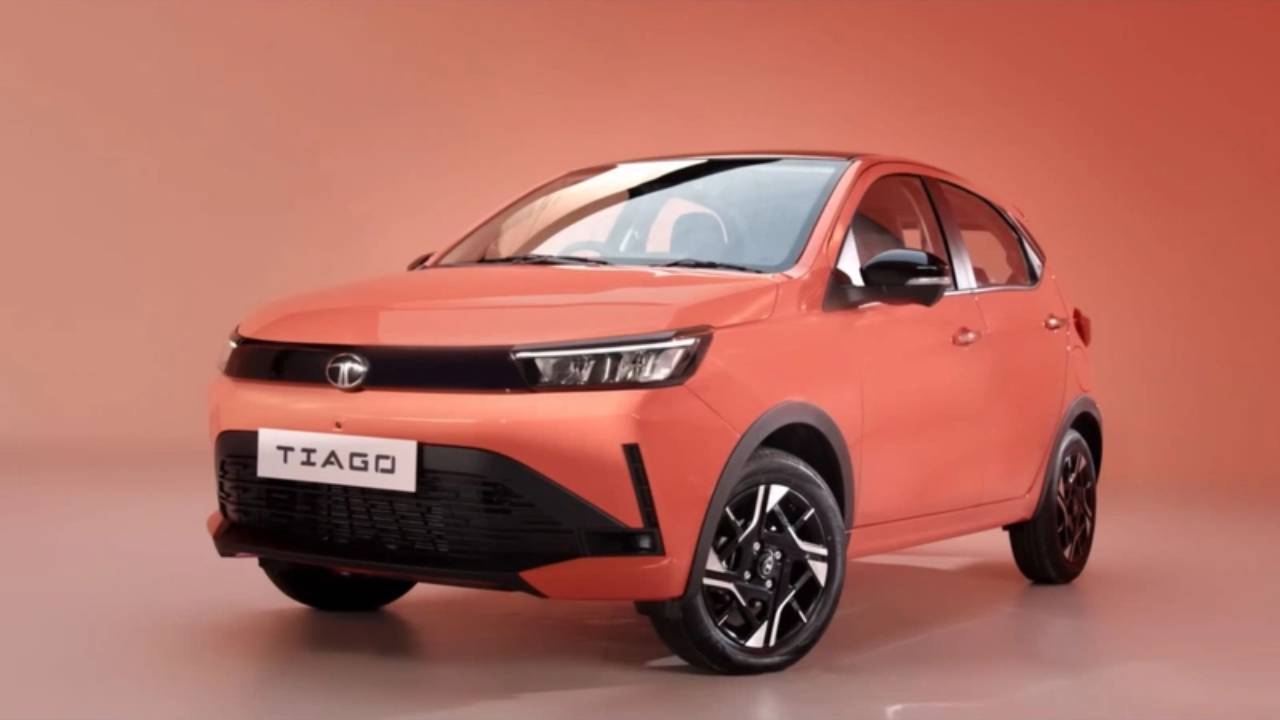
tata motors cars price

Passenger vehicles division Tata Motors Passenger Vehicles Ltd. plans an upward revision in the price list by up to 1.5 percent effective July 1, 2026. Following the decision of the company to mitigate at least a part of the increasing costs and inflation impact, while attempting to contain the effect for the consumers.
Prices to be Increased from July
This change will affect all passenger vehicle variants of the company, both internal combustion engine (ICE) vehicles and electric vehicles (EV). According to Tata Motors, the price change will not be applied uniformly, which implies that each vehicle variant within the line-up will be affected differently by the price change.
It was reported that the company absorbs a major part of the cost increase on its own side. But a part of these rising costs will be passed on to the customer through the price change. This implies that there will be price differences even between low-end and high-end vehicle variants in terms of the price increase.
Reasons for the Price Change

According to Tata Motors, the increase is being done to partially address the issues of rising input costs and ongoing inflation. Both these factors have impacted the auto sector in general over the last one year across segments wherein there are higher costs of materials, logistics, and components.
- There is a limit to the amount of increase which will not exceed 1.5%.
- Effective date is set as 1 July 2026.
- Both conventional and electric vehicle ranges will be covered under the increase.
- The percentage increase will depend on the model and variants.
For potential buyers, this means that the decision on when to buy may well be impacted as the increase will make an immediate difference for those already planning to buy a car soon. The Indian passenger vehicle market is known for experiencing this behavior due to price changes announced by automakers.
ELCTRIK Speaks
Price revisions in the automotive industry are a common occurrence in times of increasing costs of inputs. This one is special in that it concerns the entire line of passenger cars produced, including the electric cars. This is significant considering that the pricing of electric vehicles is highly scrutinized in light of comparisons in value and costs of operation.
The move is also typical of the Indian automobile market where manufacturers aim to maintain their profit margins without compromising on demand. At least for now, Tata Motors indicates that the revision will be moderate, well-measured and not evenly distributed across all product lines.