
Tata Group and JSW Invest Nearly USD 1 Billion in India-Based EV and Battery Technology Development
Tata Group and JSW Group are expanding investments in electric vehicle and battery research in India as companies look to reduce dependence on Chinese technology and strengthen domestic EV manufacturing capabilities.
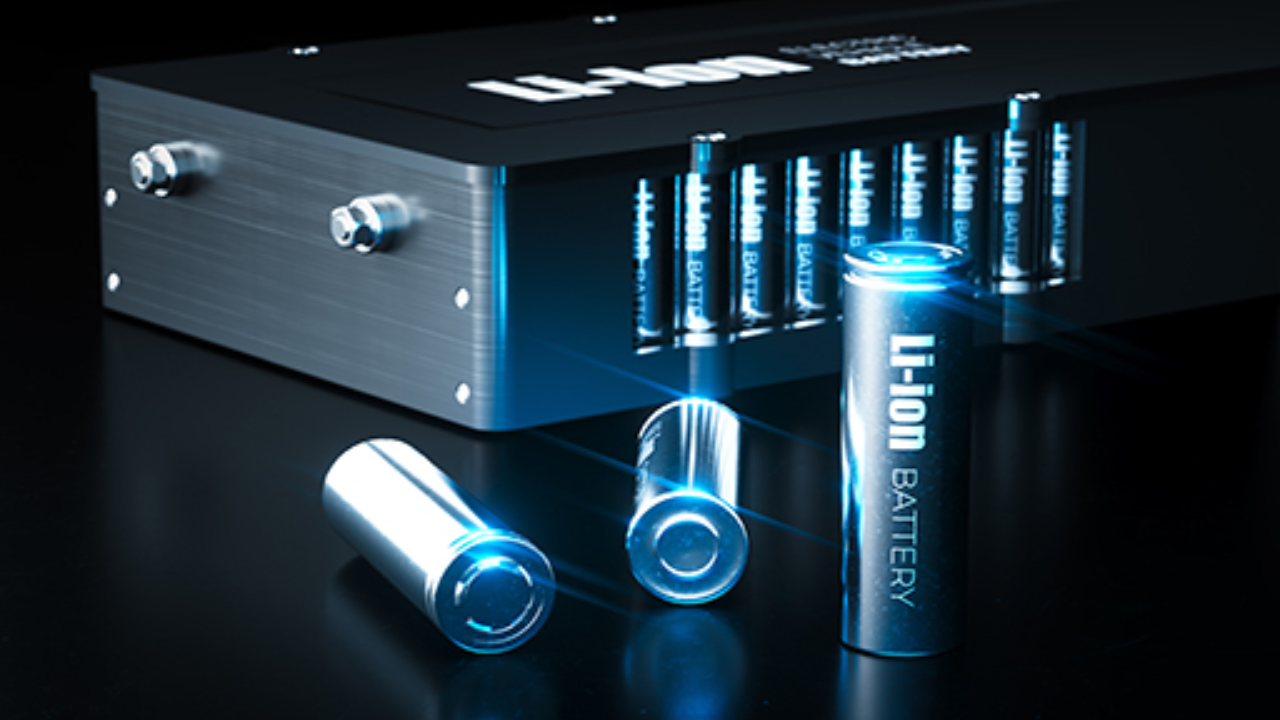
According to a report by Bloomberg, Tata Group and JSW Group are investing close to USD 1 billion in electric vehicle (EV) and battery technology research and development in India. The report, published on 7 May 2026, said the investments are aimed at building local technology capabilities and reducing reliance on imports, especially from China.
Tata Group Expands Battery Research
Tata Group’s battery business, Agratas, is investing more than USD 400 million in a new research and development facility in Bengaluru. The centre will focus on lithium-iron-phosphate (LFP) and lithium-manganese-iron battery chemistries.
Also read: India and EU Announce Rs 169 Crore Fund for EV Battery Recycling Projects
At present, a large part of the global supply chain for these battery technologies is linked to China. The new facility is expected to support the development of battery cells and related intellectual property within India.
The report added that Tata already has access to nickel-manganese-cobalt (NMC) battery technology through partnerships in South Korea. However, NMC batteries are generally more expensive than LFP batteries, which are widely used in electric vehicles and energy storage systems.
JSW Plans EV Technology Hub in Maharashtra
JSW Motors is also planning to invest at least USD 500 million over the next five to six years in a research hub in Maharashtra, according to the report. The facility will work on localising vehicle technologies developed with international partners. The focus areas include software systems, connectivity features and adapting vehicle technology for Indian road and usage conditions.
JSW Motors CEO Ranjan Nayak told Bloomberg that automotive software developed for markets such as Europe, North America and China often requires modifications for Indian operating conditions.
Concerns Around Technology Dependence
The report noted that Indian companies are increasing efforts to build local EV and battery technology as China becomes more selective about technology transfers. Several Indian firms have reportedly faced delays and restrictions in partnerships involving Chinese companies. The report also mentioned that Chinese EV maker BYD had earlier faced visa-related operational challenges in India.
Lithium Discovery and Supply Chain Plans
The push towards LFP battery technology also comes after the discovery of 5.9 million tonnes of lithium resources in Jammu and Kashmir, announced in 2023. However, the government has faced difficulties in attracting buyers through multiple auction rounds. Reports indicate that further incentives are being considered to support lithium mining and processing projects in the country.
India’s EV Market Continues to Grow
India’s passenger EV market recorded 23,163 unit sales in April 2026, registering a 73% year-on-year increase, according to industry data cited in the report. Tata Motors remained the largest player in the segment with 8,506 units sold during the month, followed by Mahindra & Mahindra at 5,394 units and JSW MG Motor India at 4,978 units. For FY2026, passenger EV sales in India reached 200,946 units, up 85% compared to the previous financial year.
Government Policies Supporting EV Manufacturing
India’s EV sector has received policy support through Production Linked Incentive (PLI) schemes for automobile and battery manufacturing. Electric vehicles currently attract a 5% GST rate, lower than the 28% GST applicable to many conventional vehicles.
The report also highlighted broader manufacturing investments in the sector, including Reliance Industries’s planned 30 GWh battery manufacturing facility in Jamnagar, which is expected to begin cell chemistry production in the second half of 2026.