
Tata Avinya EV Range to Be Built on Freelander-Based Platform
Tata Motors is revising the development strategy for its upcoming Avinya electric vehicle range by adopting a platform based on the Freelander architecture developed within the Chery-JLR ecosystem.
Tata Avinya EV Range to Be Built on Freelander-Based Platform
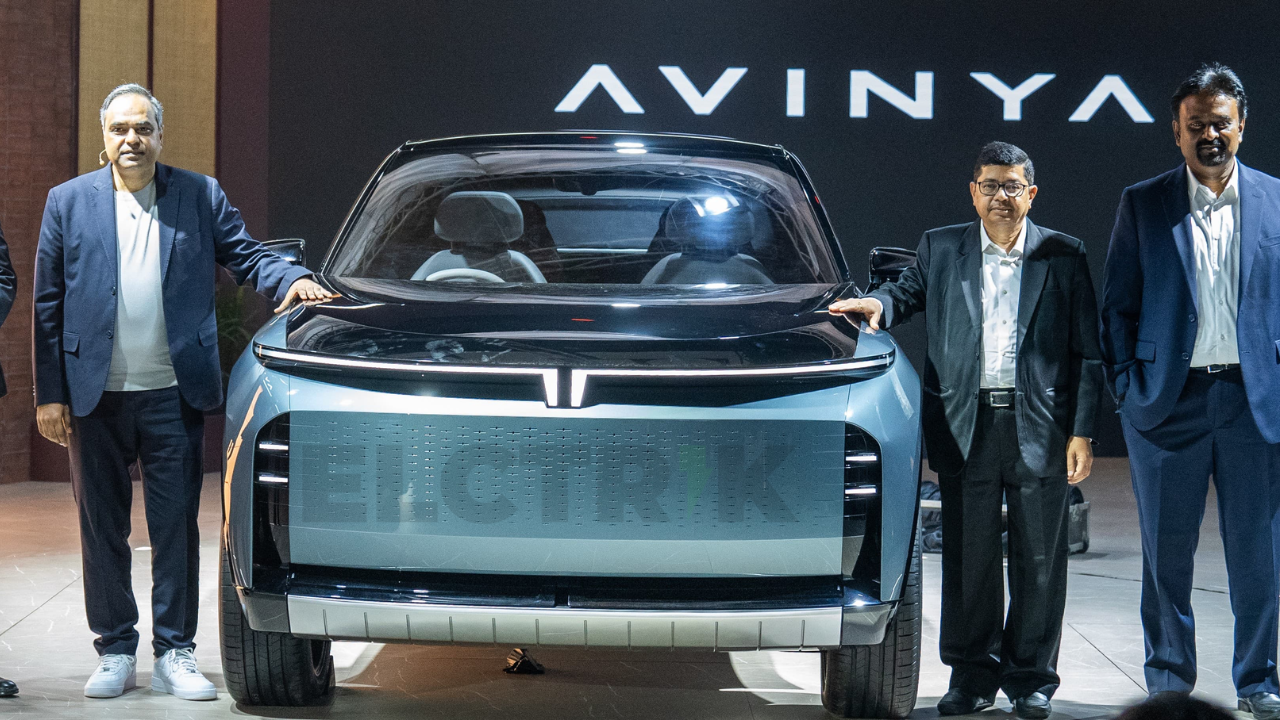
Tata Motors is expected to adopt an electric vehicle platform derived from the Freelander architecture for its future Avinya range, according to industry sources. The move marks a shift from earlier plans that were understood to be more closely linked to Jaguar Land Rover's Electrified Modular Architecture (EMA).
The first vehicle to be developed under the revised strategy is likely to be the Avinya X, which is currently under development and is expected to enter the market in 2027.
Focus on Cost, Scale and Development Timelines
Sources familiar with the development indicate that Tata Motors has opted for the Freelander-based architecture after evaluating factors such as development costs, scalability and business viability. The platform is expected to provide a ready base for product development while allowing the company to focus on areas such as software integration, localisation and customer-facing technologies.
Also read: E85 and E100 Fuels Explained: Everything Vehicle Owners Need to Know
The architecture originates from the Chery-JLR ecosystem, although Tata Motors is reportedly adapting several systems to meet local market requirements.

Multi-Country Engineering Effort
Development work on the Avinya programme is understood to involve engineering teams based in India, the United Kingdom and China. Efforts are focused on adapting electronics, software systems and vehicle engineering to suit the requirements of future Avinya products.
The collaboration reflects broader technology-sharing efforts between Tata Motors and Jaguar Land Rover in areas including electrification and software development.
Battery Plans Still Under Evaluation
Battery specifications for the initial Avinya models have not been finalised. Industry estimates suggest battery capacities could range between 65 kWh and 80 kWh, depending on the final product configuration.
While Tata Group's battery venture, Agratas, is expected to support the company's long-term battery requirements, initial models may use cells sourced from existing suppliers until local production capacity expands.
Additional Models Under Consideration
Apart from the Avinya X, Tata Motors is reportedly studying the possibility of introducing a larger three-row electric SUV as part of the Avinya portfolio. The company has previously indicated plans to position Avinya as a separate premium electric vehicle range with multiple body styles and segments.
Production of the first Avinya model is expected to take place at Tata Motors Passenger Vehicles' manufacturing facility in Panapakkam, Tamil Nadu. The broader Chennai-Ranipet industrial corridor is also expected to support localisation and supply chain activities for future production.
Elctrik Speaks
The reported shift towards a Freelander-based platform highlights how automakers are increasingly leveraging existing global architectures to reduce development complexity and optimise investments. For Tata Motors, the approach could help accelerate the rollout of the Avinya range while allowing greater focus on software, localisation and product differentiation for the Indian market.