
Rocklink India Sets Up Lithium-Ion Battery and Rare Earth Recycling Facility in Uttar Pradesh
Rocklink India has established a recycling facility in Sikandrabad, Uttar Pradesh, to process lithium-ion batteries, rare earth magnets, and industrial waste.
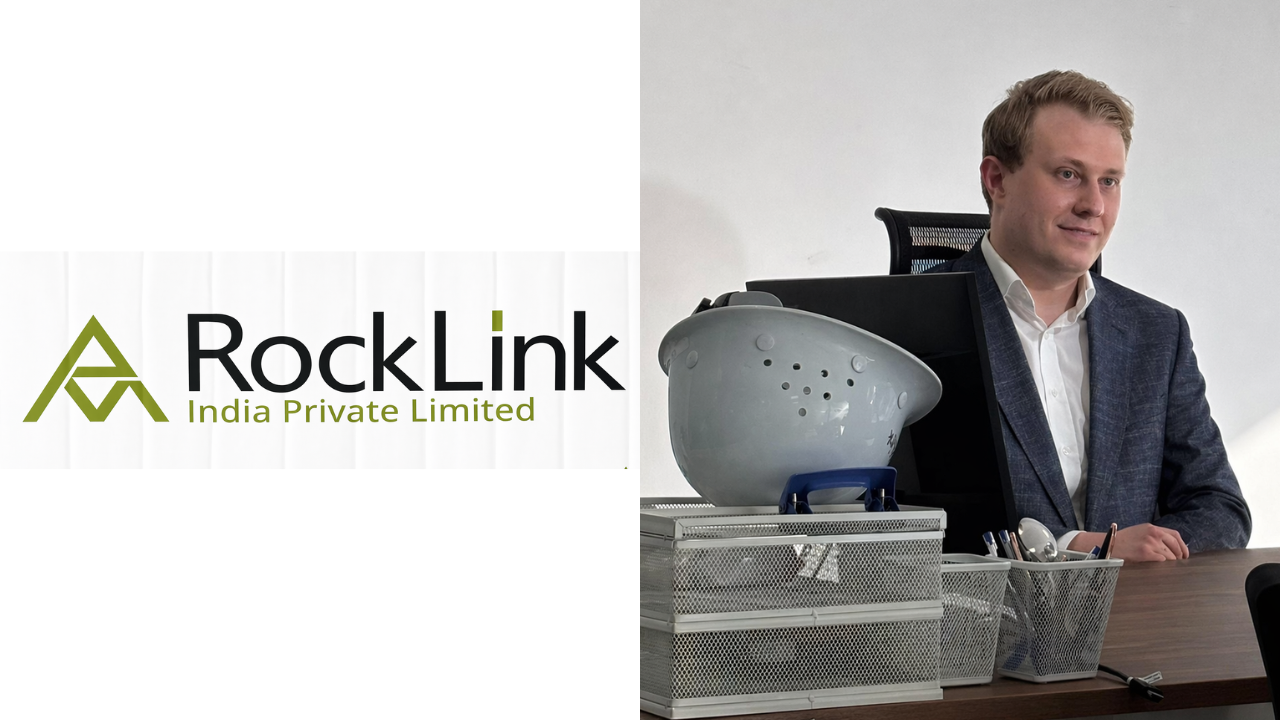
Rocklink India Pvt. Ltd. has set up a recycling facility at the UPSIDC Industrial Area in Sikandrabad, Uttar Pradesh. The company stated on April 23, 2026, that this is its first integrated plant in the country. The facility is designed to process lithium-ion batteries, rare earth magnets, and metal-bearing industrial waste.
Processing Capacity
The plant has an initial lithium-ion battery recycling capacity of 10,000 tonnes per year. It also includes rare earth magnet dismantling and processing operations of 60 tonnes per month. A rare earth chloride processing line with a capacity of 1,500 tonnes per year is scheduled for completion in the first quarter of 2026.
Also read: India-Bound BMW 7 Series Facelift Unveiled Globally, Gets Updated Cabin and Long-Range EV Option
Recycling Technology
The facility uses the company’s in-house lithium-ion recycling technology, referred to as R2. According to the company, the process can handle multiple battery types and chemistries. It is designed to remove volatile organic compounds during processing through a controlled system.
The company reported recovery rates of over 98 percent for metals such as aluminium, copper, and iron. The process also produces black mass, which can be used for further refining.
Battery Refurbishment Plans
Rocklink India plans to add battery refurbishment operations at the site. This will involve testing, balancing, and assembling battery packs for reuse, based on defined technical standards.
Rare Earth Magnet Recycling
The facility includes operations for recycling permanent magnet materials such as NdFeB, SmCo, and AlNiCo. These materials are commonly used in electric motors and industrial equipment. Semi-automated dismantling systems are used to process magnet-containing components into batches for further treatment.
Logistics and Material Handling
The company is introducing its Magcycle reverse logistics system in India. This model is used to collect and transport magnet scrap for recycling.
It also follows a “Know Your Material” approach, which includes testing and grading materials to determine processing methods. Materials that cannot be directly recycled are converted into rare earth chlorides using a rotary kiln-based process.
Collaboration and Development
Rocklink India stated that it is working with technology firms, research institutions, and government bodies to improve recycling processes and material recovery systems.
Leonard Alexander Ansorge, Director of Rocklink India Pvt. Ltd., said, “The establishment of this facility marks an important step in building advanced recycling infrastructure for critical materials in India. With capabilities to process lithium-ion batteries and rare earth magnets, we aim to support the development of a circular ecosystem for critical raw materials that are essential to electric mobility, renewable energy systems, and advanced manufacturing.”
Elctrik Speaks
The development adds recycling capacity for batteries and rare earth materials in India. This may support domestic supply chains for materials used in electric mobility and related sectors.