
Punch EV, Nexon EV, Harrier EV and More Help Tata Motors Cross 92,000 EV Sales in FY26
Tata Motors Passenger Vehicles reported its highest-ever annual electric vehicle sales in FY26, crossing 92,000 units. The company also recorded overall passenger vehicle sales of more than 6.4 lakh units during the financial year, supported by growth in SUVs, CNG models, and EV demand.
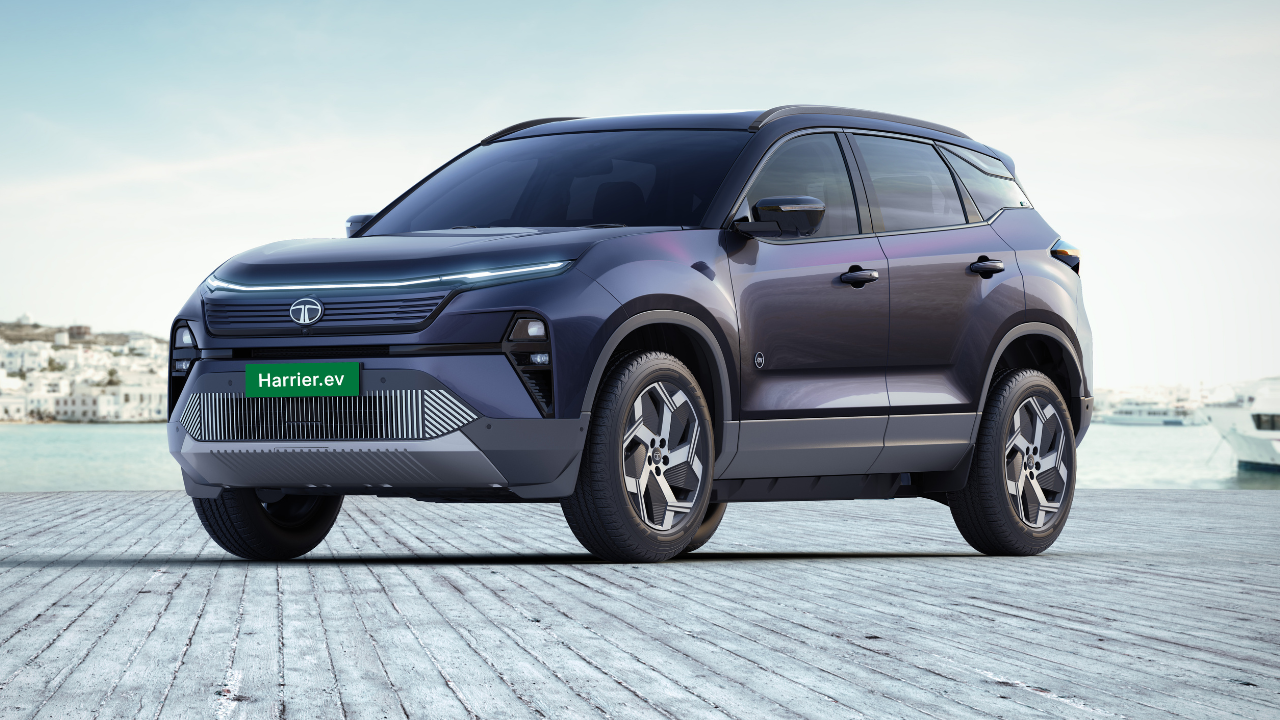
Tata Motors Passenger Vehicles said its electric vehicle business recorded annual sales of more than 92,000 units in FY26, marking a year-on-year growth of 43.3%. Quarterly EV sales in Q4 FY26 rose 69.2% compared to the same period last year.
The company stated that EV sales growth was supported by new product launches and improvements in charging infrastructure and adoption-related measures. Industry EV sales crossed 2 lakh units during FY26, according to the company’s presentation.
Passenger Vehicle Sales Cross 6.4 Lakh Units
Tata Motors Passenger Vehicles reported annual wholesales of 6.42 lakh units in FY26, up 15% year-on-year. Quarterly sales during Q4 FY26 crossed 2 lakh units, registering a 37% increase over Q4 FY25.
Also read: Honda To Launch India-Focused Cars Under 4 Metres And Mid-Size Segment From 2028
The company said it achieved a market share of over 14% in the second half of FY26 based on Vahan registrations. It also stated that the Nexon and Punch were among the highest-selling passenger vehicle models during the period.
Growth in Alternate Fuel Vehicles
The company reported increased contribution from alternate fuel powertrains including EVs and CNG vehicles. CNG vehicle sales crossed 1.7 lakh units in FY26. The powertrain mix showed a rise in EV and CNG contribution compared to previous years.
Tata Motors also noted that the passenger vehicle industry recorded around 4.7 million annual sales in FY26, with SUVs contributing significantly to growth.
Financial Performance
For FY26, Tata Passenger Vehicles reported revenue of Rs 58,465 crore, compared to Rs 48,451 crore in FY25. Annual wholesales stood at 641.6 thousand units against 556.4 thousand units in the previous financial year.
The company reported EBITDA margin of 6.9% for FY26, while profit before tax before exceptional items stood at ₹1,436 crore.
Elctrik Speaks
The FY26 numbers indicate continued growth in India’s electric passenger vehicle market, with manufacturers expanding their EV portfolios alongside CNG and hybrid offerings. Higher EV sales, increased public charging infrastructure, and broader model availability contributed to the rise in adoption during the financial year.