
One in Every Four Cars Sold Worldwide in 2025 Was Electric: IEA Report
Global electric vehicle sales crossed 20 million units in 2025, according to the International Energy Agency’s Global EV Outlook 2026 report. Electric cars accounted for around 25% of all new car sales worldwide, with China, Norway and several European countries leading adoption, while India continued to see stronger electrification in two-wheelers and public mobility segments.
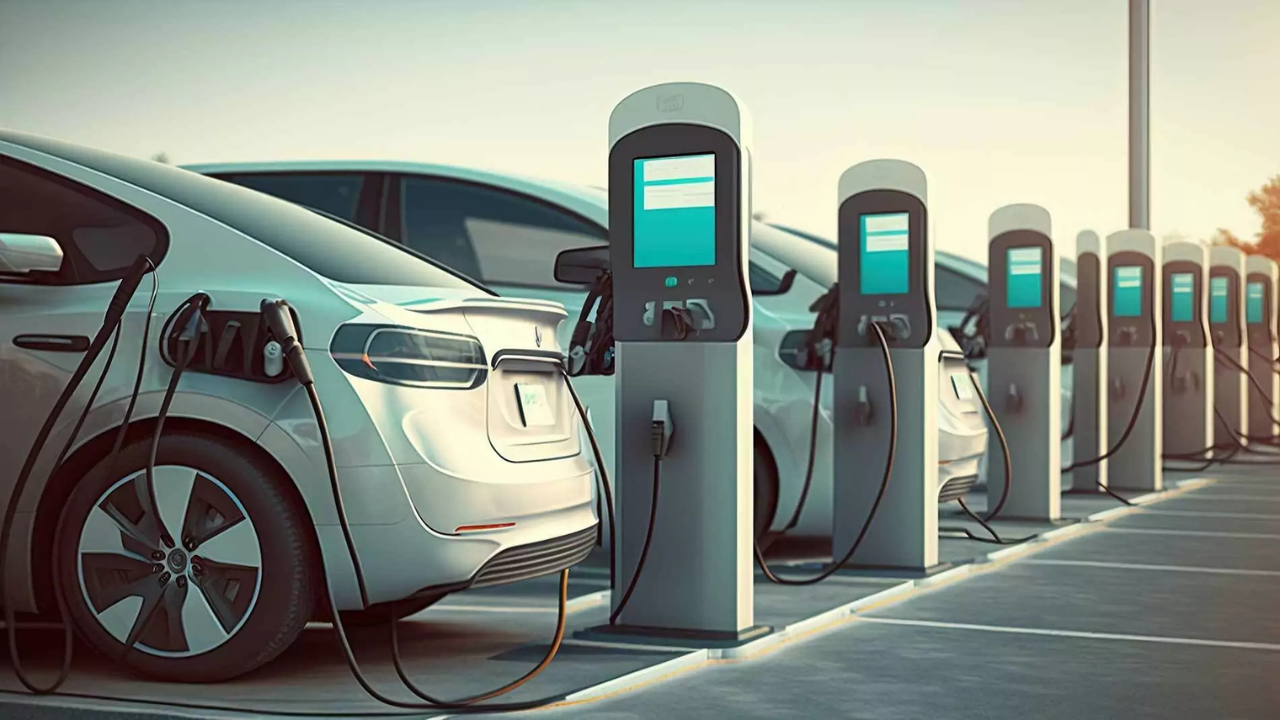
One in Every Four Cars Sold Worldwide in 2025 Was Electric
The global automobile industry reached a major electrification milestone in 2025. According to the International Energy Agency’s (IEA) Global EV Outlook 2026 report, electric car sales increased by around 20% globally and crossed 20 million units during the year.
As a result, one out of every four new cars sold worldwide in 2025 was electric. The figures include both Battery Electric Vehicles (BEVs) and Plug-in Hybrid Electric Vehicles (PHEVs).
The report highlights that electric vehicles are becoming a larger part of the global passenger vehicle market, although adoption levels continue to vary significantly across countries and regions.
Also read: Vingroup-Backed Green SM May Launch EV Cab Services In India At Rs 8 Per Km
BEVs Continue To Hold Majority Share
The IEA classifies electric cars as vehicles that include:
- Battery Electric Vehicles (BEVs)
- Plug-in Hybrid Electric Vehicles (PHEVs)
While the global EV share includes both categories, battery-electric vehicles continued to account for the larger portion of sales. According to the report, BEVs made up around 65% of total electric car sales in 2025.
This comes after plug-in hybrids and extended-range electric vehicles had seen stronger growth in several markets over the last few years.
Norway Remains The Highest EV-Adoption Market
Norway continued to lead global EV adoption in 2025. Around 97% of all new cars sold in the country were electric. The country’s transition has been supported through long-term policy measures, charging infrastructure development and tax incentives aimed at reducing internal-combustion vehicle dependence. Norway is also among the closest markets globally to achieving a fully zero-emission new car market.
China Crosses The 50% Mark
China remained the world’s largest electric vehicle market in 2025. According to the IEA, electric vehicles accounted for nearly 55% of all new car sales in the country.
The market is supported by large-scale domestic manufacturing, battery supply chains and a wide range of electric vehicle offerings across segments.
Chinese automakers including BYD, SAIC Motor, Geely and Chery continue to play a major role in the country’s EV expansion.
The report also indicates that China has moved beyond early-stage EV adoption, with electric vehicles now accounting for a majority share of new car sales.
Europe Records Recovery In EV Growth
Europe saw stronger electric vehicle growth in 2025 after slower momentum in 2024. Electric car sales in the region increased by more than 30% and accounted for around 28% of total new car sales.
According to the report, stricter European Union CO2 regulations contributed to higher EV adoption across several markets.
Country-wise EV shares included:
- Sweden: around 61%
- Denmark: around 71%
- United Kingdom: around 35%
- Germany: around 30%
The data also showed that EV penetration levels continue to differ widely across European markets.
US EV Adoption Remains Lower Than China And Europe
The United States recorded relatively stable EV sales growth in 2025. Electric vehicles accounted for just under 10% of total new car sales in the country.
Compared to China and several European markets, the US EV market continues to face challenges related to charging infrastructure expansion, vehicle pricing and consumer demand for larger internal-combustion vehicles such as SUVs and pickup trucks.
India’s EV Market Continues To Be Driven By Two-Wheelers
India’s passenger electric car market remains smaller compared to major global EV markets. However, the country continued to expand in electric two-wheelers, three-wheelers and public mobility segments.
According to reports based on the IEA’s findings, India remained the world’s second-largest electric two-wheeler market in 2025 after China. Electric two-wheeler sales in India stood at around 1.3 million units and accounted for nearly 6% of domestic two-wheeler sales during the year. India also remained one of the larger markets globally for electric three-wheelers and electric buses.
The data highlights that India’s EV transition is progressing differently compared to several developed markets, with adoption currently concentrated more in commercial mobility and mass-market transport categories rather than passenger cars.
EV Adoption Continues To Expand Globally
The latest figures from the IEA show that electric vehicles are becoming a larger part of the global automotive industry. While adoption levels vary across regions, EVs are increasingly influencing manufacturing strategies, battery production, charging infrastructure planning and policy decisions worldwide.
The report also suggests that market growth is likely to continue as governments and automakers focus on expanding electrified mobility across different vehicle segments.
Elctrik Speaks
The 2025 EV sales milestone highlights how electrification is progressing at different speeds across global markets. While countries such as Norway and China have already crossed high EV adoption levels, markets like India are currently seeing stronger growth in two-wheelers and public transport electrification. The data also shows that global EV expansion is no longer limited to early adopters and is becoming part of the broader automotive market transition.