
Ola Electric Receives ARAI Approval for Commercial Electric Scooter
Ola Electric has received ARAI homologation for a new commercial electric scooter based on its S1 platform. The vehicle is expected to target delivery and fleet operators in the urban mobility segment.
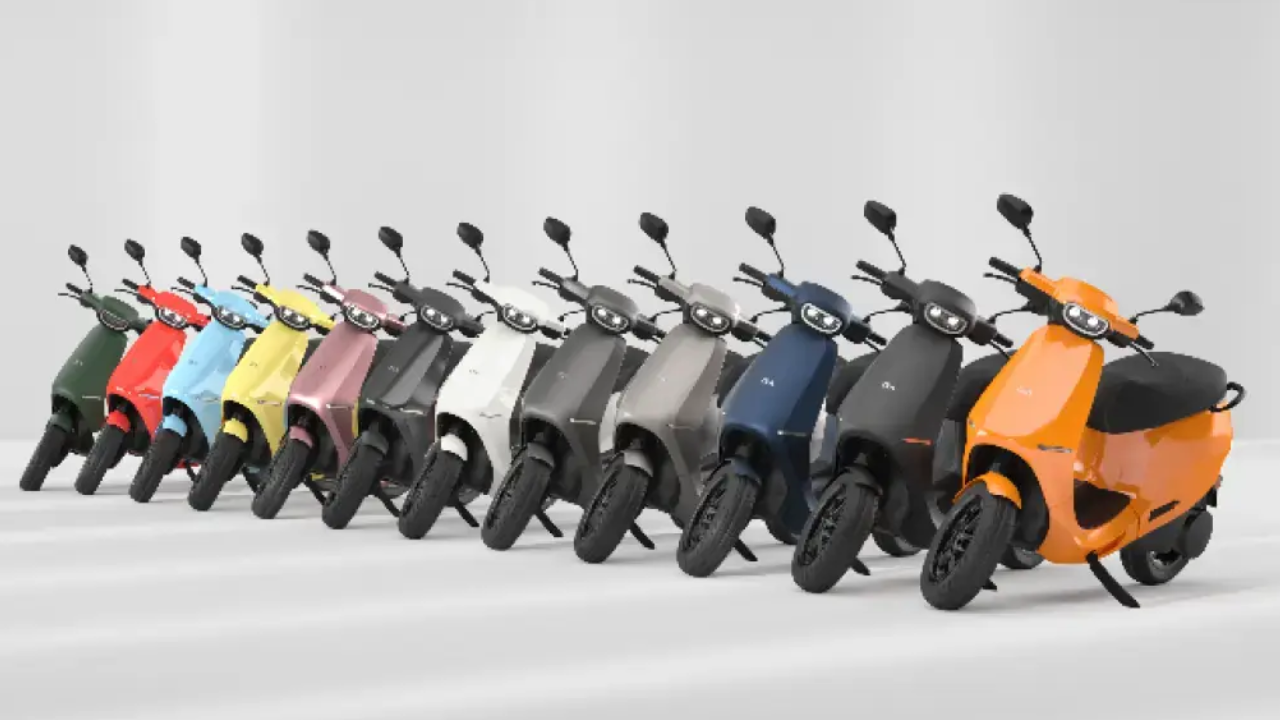
Ola Electric Receives ARAI Approval for Commercial Electric Scooter
Ola Electric has received regulatory approval for a new electric scooter intended for commercial use, according to a homologation document issued by the Automotive Research Association of India (ARAI).
The approval was granted in February 2026 under the Central Motor Vehicle Rules (CMVR). The vehicle falls under the L1 category and is powered by a 4-kilowatt motor. It has a claimed top speed of around 70 kmph.
Scooter Likely Based on Existing S1 Platform
Industry sources indicate that the scooter is based on Ola Electric’s existing S1 platform but has been modified for commercial applications. The model is expected to cater to food delivery services, quick-commerce operations and urban fleet mobility.
Also read: Ultraviolette X-47 Electric Motorcycle New Base Variant Launched in India at Rs 2.49 Lakh
Homologation is among the final regulatory requirements before a vehicle can be introduced in the market, indicating that the launch could take place in the coming months.
Focus on Commercial Mobility Segment
The commercial electric two-wheeler segment has been witnessing increased activity due to demand from delivery and logistics operators looking to reduce operating costs.
Fleet operators typically prioritise vehicle uptime, running costs and daily utilisation, making electric scooters a growing option for last-mile mobility services.
The development also comes at a time when fuel prices remain under pressure due to global supply concerns, increasing operational expenses for petrol-powered delivery vehicles.
Policy Push Towards Fleet Electrification
State-level policies are also supporting adoption of electric commercial vehicles. Delhi’s draft EV Policy 2026 has proposed a phased reduction of new internal combustion engine two-wheeler registrations over the next two years.
Industry analysts expect commercial electric two-wheelers to remain an important growth segment due to high daily usage and faster replacement cycles compared to personal vehicles.
Elctrik Speaks
The homologation indicates Ola Electric’s possible entry into the commercial fleet mobility space, where demand for electric two-wheelers continues to rise among delivery and logistics operators. The segment is becoming increasingly important for EV manufacturers as fleet adoption can contribute to higher vehicle volumes and regular usage cycles.