
NHAI Introduces Barrier-Free MLFF Tolling on NH-48 in Gujarat
NHAI has rolled out a Multi-Lane Free Flow tolling system on the Surat–Bharuch stretch of NH-48, allowing vehicles to pass without stopping. Over 41,000 vehicles used the system on the first day.
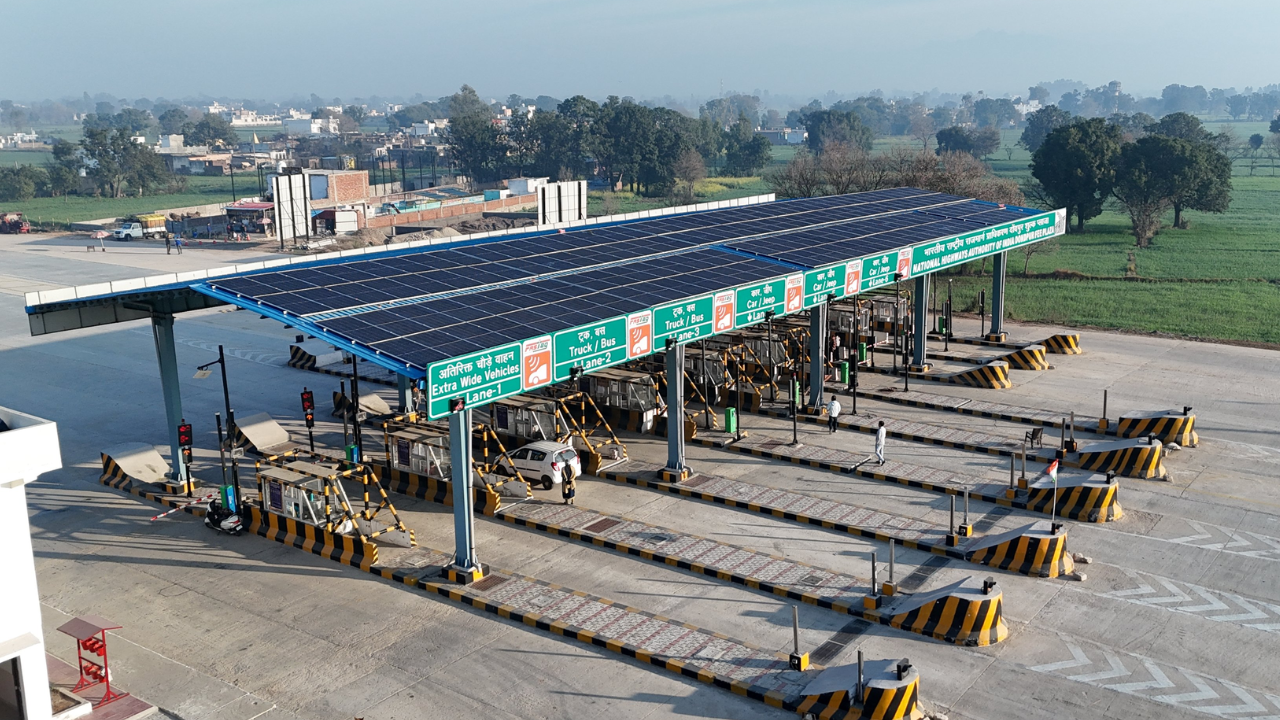
The National Highways Authority of India (NHAI) has implemented a Multi-Lane Free Flow (MLFF) tolling system at the Chorayasi toll location on the Surat–Bharuch section of NH-48 in Gujarat. According to official information released on May 2, 2026, around 41,500 vehicles passed through the toll point on the first day of operations.
Barrier-Free Toll Collection System
The MLFF system removes physical toll barriers, allowing vehicles to pass through without stopping. It uses Automatic Number Plate Recognition (ANPR) cameras along with FASTag-based electronic toll collection to process toll payments. The system is designed to operate with limited manual intervention.
Also read: India EV Sales April 2026: Top 10 Electric Passenger Vehicle Brands
Payment and Compliance Process
Vehicle owners are required to maintain sufficient balance in their FASTag accounts. In cases of insufficient balance, inactive FASTag, or payment failure, an electronic notice (E-Notice) is issued. Users must pay the applicable toll within 72 hours of receiving the notice.
If the payment is not completed within this period, the toll amount is charged at twice the standard rate. Continued non-payment may lead to FASTag blacklisting and restrictions on vehicle-related services through the VAHAN platform.
Operational Impact
The MLFF system is expected to reduce stoppage time at toll points and streamline vehicle movement on highways. It may also affect fuel consumption patterns and traffic flow by removing queuing at toll plazas. The system is part of ongoing changes in toll collection methods across the national highway network.
Elctrik Speaks
The rollout of MLFF tolling reflects a shift towards automated road-use charging systems in India. Its effectiveness will depend on enforcement, system accuracy, and user compliance over time.