
Isuzu and Toyota Plan Mass Production of Light-duty Fuel Cell Truck in Japan by FY2027
Isuzu Motors Limited and Toyota Motor Corporation will jointly develop a light-duty fuel cell electric truck for commercial use, with production targeted for FY2027. The project focuses on hydrogen-based mobility for high-usage logistics operations.
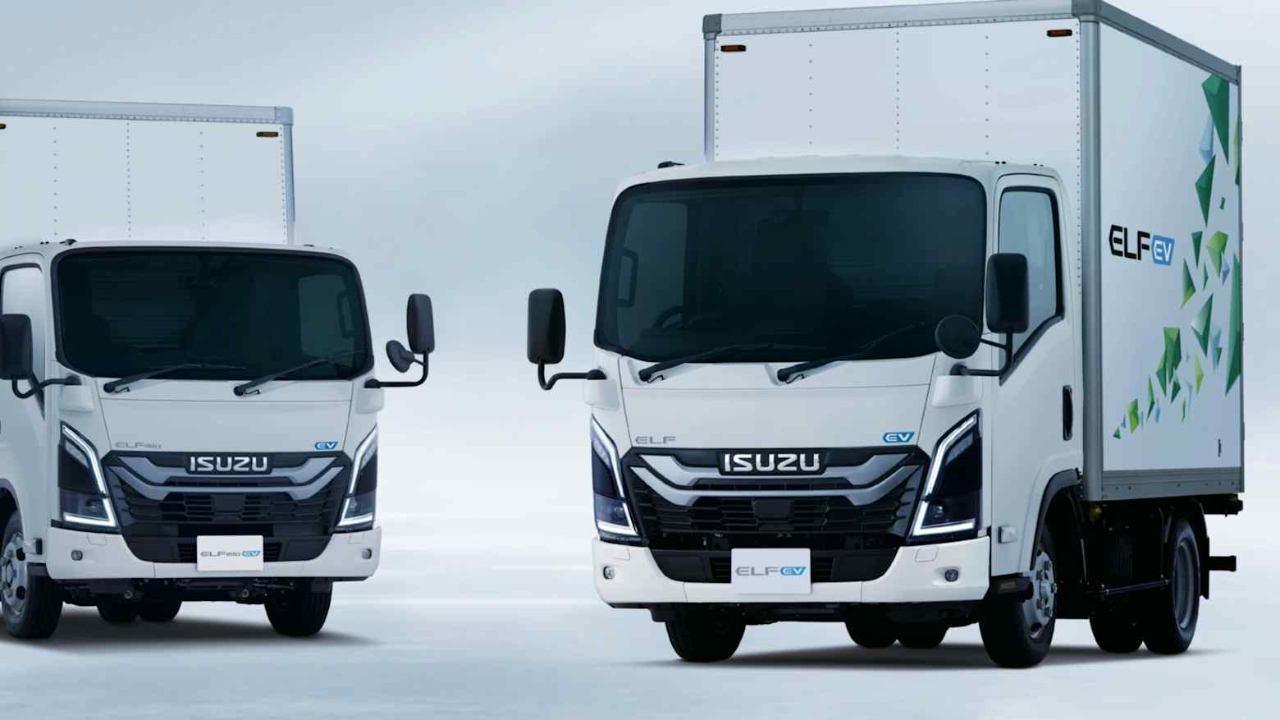
Isuzu Motors Limited and Toyota Motor Corporation have announced a joint effort to develop a light-duty fuel cell electric truck. The vehicle will be based on Isuzu’s ELF EV platform and will integrate Toyota’s third-generation fuel cell system. The companies will work together on system compatibility and aim to begin mass production in FY2027.
Focus on Commercial Vehicle Usage
Light-duty trucks are widely used for deliveries to retail outlets such as supermarkets and convenience stores. These vehicles often operate for long hours, cover significant distances, and may include refrigeration units. Such usage requires quick refueling and consistent performance to maintain operational efficiency.
Also read: Steelbird ROX Helmet Sales Cross 1 Crore Units in India
Role of Fuel Cell Technology
Fuel cell electric vehicles (FCEVs) use hydrogen as a fuel source. Compared to battery electric vehicles (BEVs), they can be refueled in a shorter time and offer longer driving range per refueling cycle. They also operate with low noise and do not produce tailpipe carbon dioxide emissions during use.
Platform and Technology Integration
The planned truck will be built on the ELF EV, introduced in 2023 using Isuzu’s I-MACS development platform. It will incorporate Toyota’s next-generation fuel cell stack, with a focus on durability and longer service life. The companies will also apply learnings from previous projects, including the ERGA fuel cell bus and other commercial vehicle trials conducted in Japan.
Cost and Manufacturing Considerations
One of the current challenges in fuel cell vehicle adoption is cost. Isuzu is working on optimizing vehicle structure and production processes, while Toyota is focusing on improvements in fuel cell design and manufacturing efficiency.
Hydrogen Ecosystem and Partnerships
Both companies are also engaging with local governments and businesses to support hydrogen infrastructure and usage. This includes efforts across hydrogen production, storage, transport, and application in mobility.
Elctrik Speaks
The collaboration reflects a focus on hydrogen as an alternative for commercial transport where long operating hours and quick refueling are required. While battery electric solutions are being adopted in urban logistics, fuel cell systems may address specific use cases involving range and downtime constraints.