
India’s EV Shift Is Not Just About Sustainability — It’s About Livelihoods
India’s transition towards electric mobility is often discussed through the lens of sustainability and climate goals. But on the ground...
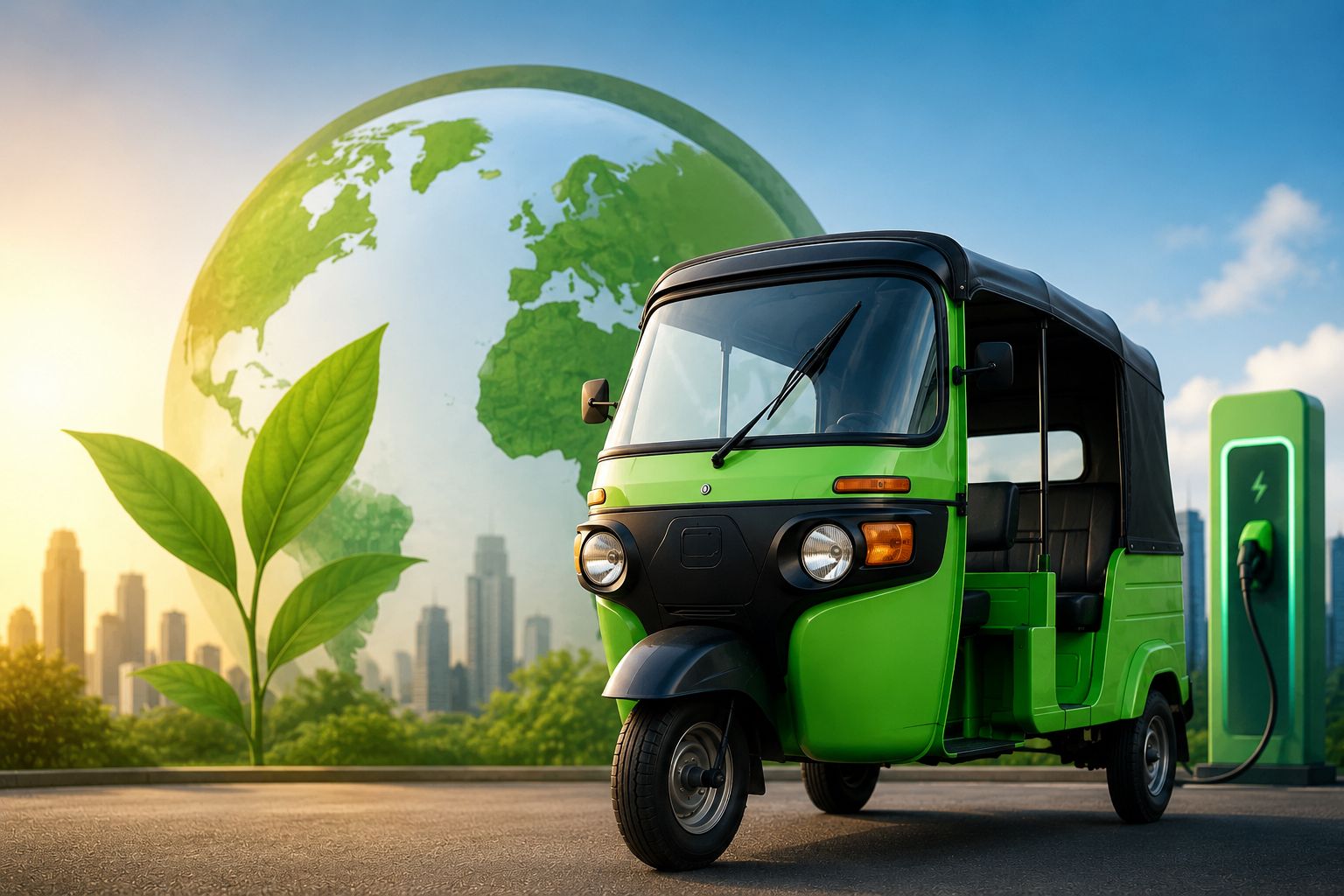
electric three wheelers

By Ayush Lohia
India’s transition towards electric mobility is often discussed through the lens of sustainability and climate goals. But on the ground, especially across small towns and lower-income communities, the EV revolution is creating an impact that goes far beyond reducing emissions. It is becoming a powerful tool for livelihood generation, financial stability and economic inclusion.
At a time when fuel prices continue to affect household budgets and businesses alike, electric three-wheelers are emerging as a practical and affordable mobility solution for lakhs of Indians who depend on daily transportation for survival.
Prime Minister Narendra Modi recently urged citizens to use petrol and diesel judiciously, underlining India’s need to reduce dependence on imported fossil fuels. His remarks reflect a larger national priority — energy security and self-reliance. India imports a significant share of its crude oil requirements, making the economy vulnerable to global geopolitical tensions and fluctuating fuel prices. In this environment, the EV sector is not merely supporting green mobility; it is helping India build long-term economic resilience.
Among all EV categories, the electric three-wheeler segment has quietly become one of the biggest success stories. India today is the world’s largest market for electric three-wheelers, with adoption growing rapidly across both urban and rural regions. The reason is simple: economics.
For a lower-income driver operating a conventional petrol or diesel auto, a substantial portion of daily earnings goes directly into fuel expenses. An electric auto significantly reduces running costs, allowing drivers to retain more of their income. That difference may appear small on paper, but for many families, it translates into school fees, healthcare expenses or household savings.
This is where brands like YOUDHA are trying to make a meaningful difference. The objective is not limited to manufacturing electric vehicles; it is about enabling sustainable livelihoods for people who rely on mobility-based income every single day.
Across smaller cities and semi-urban markets, thousands of drivers are shifting towards EVs because they see them as financially viable in the long run. Lower maintenance costs, reduced fuel dependency and improving charging accessibility are making electric mobility increasingly attractive for first-time vehicle owners and self-employed workers.
What makes this transition particularly important is its social impact. Electric three-wheelers are creating opportunities for individuals who traditionally had limited access to stable employment or affordable transportation solutions. In many regions, EV financing models are also allowing drivers from economically weaker sections to become vehicle owners for the first time.
The EV ecosystem is simultaneously generating employment beyond driving as well — from dealership networks and servicing to battery management, charging infrastructure and local distribution chains. As the sector expands, so does its contribution to grassroots entrepreneurship.
Importantly, the conversation around EVs in India should not remain confined to metros or premium electric cars. The real transformation is happening at the bottom of the economic pyramid, where mobility directly determines income generation.
For millions of Indians, an electric three-wheeler is not a lifestyle choice. It is a business asset. It is a source of dignity and self-employment.
Government support through schemes promoting electric mobility has undoubtedly accelerated adoption, but there is still a long way to go. Stronger charging infrastructure, easier financing options and greater public awareness will be essential to ensure that EV adoption continues at scale.
India has a unique opportunity to lead the global clean mobility movement while simultaneously strengthening livelihoods for its working population. Few sectors possess the ability to combine sustainability, affordability and social impact as effectively as electric mobility does today.
The future of transportation in India will not only be electric — it will also be inclusive.
(Disclaimer: The views and opinions expressed in this article are solely those of the author and do not necessarily reflect the official stance of Elctrik. The publication is intended for informational and discussion purposes only.)