
GreenCell Mobility Expands Electric Bus Network with Safety Systems Across Indian Cities
GreenCell Mobility operates over 1,500 electric buses across multiple states, with safety systems, monitoring tools, and workforce practices forming a key part of its public transport operations.
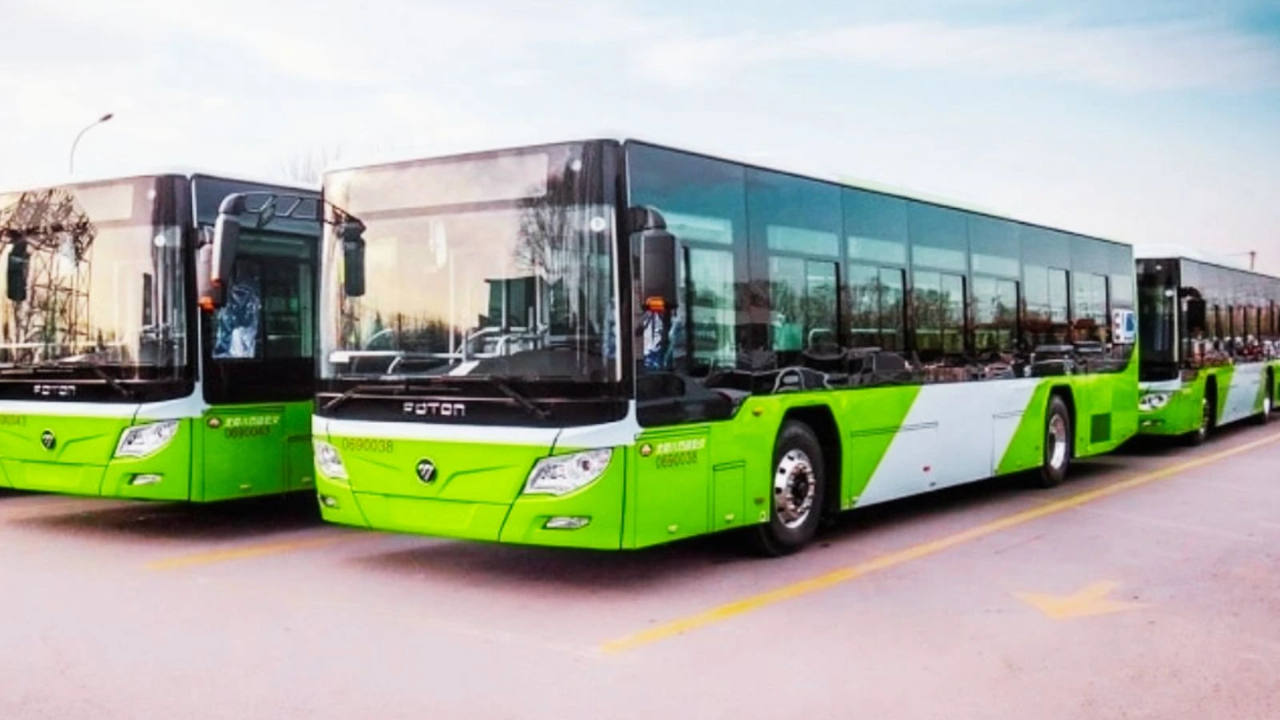
GreenCell Mobility (GCM) operates a fleet of electric buses across several Indian cities, with a focus on safety systems and operational processes in public transport. The company currently runs more than 1,500 electric buses across 17 cities in states including Uttar Pradesh, Madhya Pradesh, Andhra Pradesh, Telangana, Karnataka, Delhi, Puducherry, and Gujarat. It has outlined plans to expand its network to over 30 cities with a fleet size of around 4,500 buses.
Safety Systems and Monitoring in Fleet Operations
GCM’s buses are equipped with onboard and remote monitoring systems such as camera-based surveillance, GPS tracking, and real-time vehicle diagnostics. Passenger information systems are also integrated into the fleet.
Also read: EMO Energy Targets 5x Growth in FY27, Expands Battery Packs and Fast-Charging Network in India
Other features include panic buttons, wheelchair access ramps, fire extinguishers, and seat belts. The company has established central control centres to monitor fleet movement and oversee operations. Driver-related measures include daily breath analyser tests and performance tracking systems. Training programs cover safety practices, vehicle handling, and battery management.
Daily Operations and Performance Data
According to company data, the fleet serves around 2.75 lakh passengers daily and covers approximately 2.85 lakh kilometres each day. Each bus operates for an average of about 200 kilometres daily.
The company reports bus availability levels of up to 95%. It also states that electric bus operations can lower fuel-related costs for state transport undertakings compared to diesel-based fleets.
Employment and Workforce Participation
GreenCell Mobility employs personnel across operations, maintenance, and support functions in the cities where it operates. It is also working to increase women’s participation in public transport roles.
Elctrik Speaks
The company’s approach reflects a broader shift in India’s public transport sector, where electric mobility deployment is increasingly being linked with safety systems, monitoring infrastructure, and workforce practices.