
EV and Auto Schemes Take Nearly 95 percent of MHI Budget: Parliamentary Committee Report
Electric vehicle and automotive incentive programmes account for nearly 95% of the Ministry of Heavy Industries’ ₹7,939.9 crore budget for 2026-27, according to a parliamentary committee report.
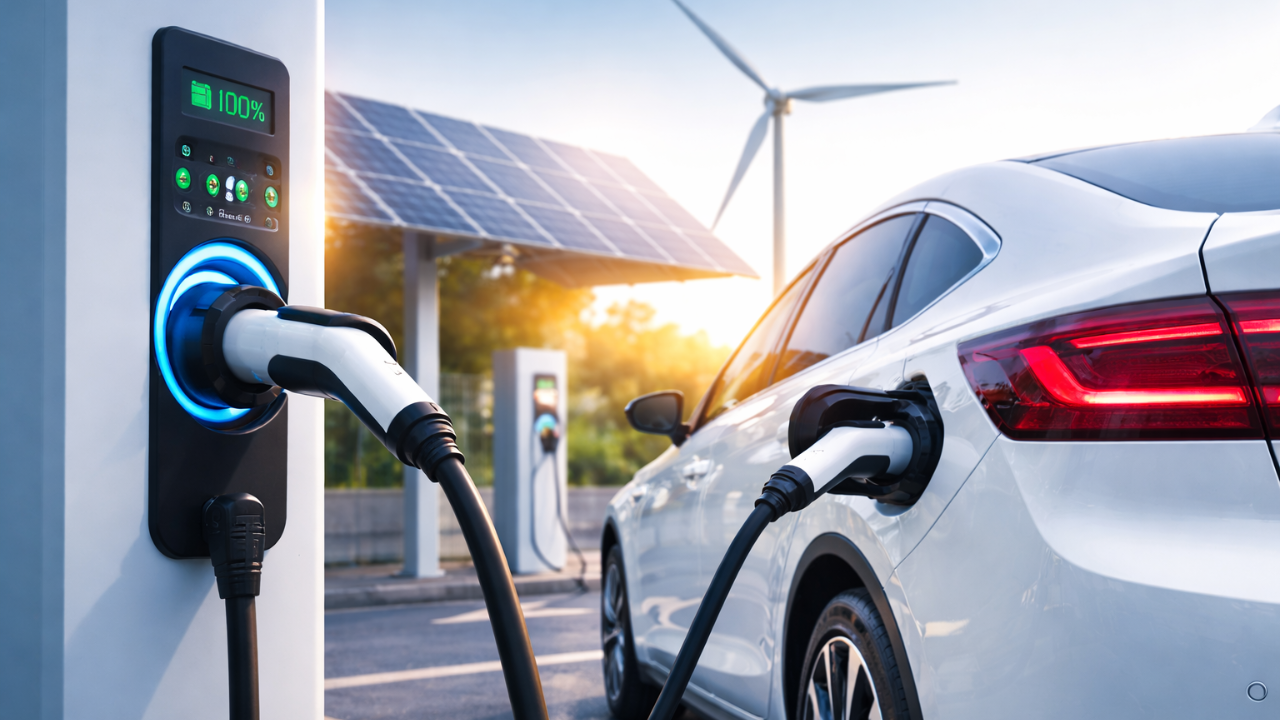
Electric mobility and automotive manufacturing schemes account for the largest share of the Ministry of Heavy Industries’ budget for the financial year 2026-27. According to the Parliamentary Standing Committee on Industry, allocations for EV and automotive programmes together amount to ₹7,537.88 crore, or about 94.9% of the ministry’s total demand of ₹7,939.90 crore.
These allocations fall under the head “Development of Automobile Industry,” which includes several major incentive schemes aimed at supporting electric mobility and domestic manufacturing.
PLI Auto Scheme Takes Largest Share
The Production Linked Incentive (PLI) scheme for Automobiles and Auto Components receives the largest allocation among all programmes.
The scheme has been allotted ₹5,939.87 crore in the 2026-27 Budget Estimates, accounting for around 74.8% of the ministry’s overall budget.
The increase reflects a growing number of manufacturers meeting localisation requirements and becoming eligible to claim incentives under the programme.
Other Major EV and Mobility Schemes
Apart from the PLI Auto programme, several other EV-focused initiatives form part of the budget allocation:
- PM E-DRIVE scheme, aimed at accelerating EV adoption and infrastructure development
- PM e-Bus Sewa - Payment Security Mechanism, supporting deployment of electric buses
- PLI for Advanced Chemistry Cell (ACC) battery storage
- Scheme to Promote Manufacturing of Electric Passenger Cars in India
These programmes are designed to support EV manufacturing, battery production, and demand-side incentives for electric vehicles.
Budget Structure Remains Revenue-Heavy
The committee also noted that the ministry’s budget for 2026-27 is almost entirely revenue expenditure.
Revenue spending is estimated at ₹7,937.08 crore, while capital expenditure is only ₹2.82 crore, representing about 0.04% of the total allocation.
The report cautions that while incentives can stimulate private investment, limited capital spending could affect long-term infrastructure such as testing facilities and EV ecosystem development.