
EMO Energy Partners with BNC Motors to Launch EMO Challenger Electric Platform for Commercial Fleets
EMO Energy has entered into a collaboration with BNC Motors to introduce EMO Challenger, an electric mobility platform developed for last-mile and fleet operations. The first phase will see 1,000 vehicles deployed in Bengaluru and Gurugram, with plans to expand to 15,000 units through 2026.
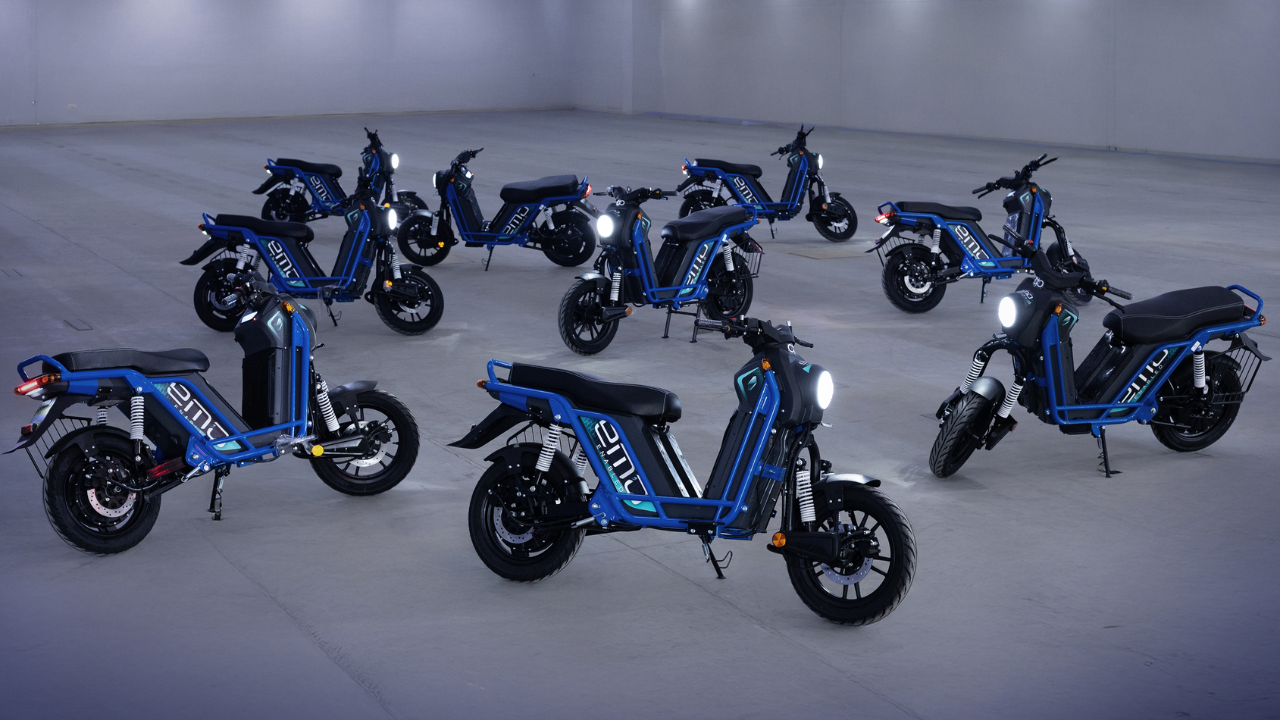
EMO Energy announced a collaboration with BNC Motors to introduce EMO Challenger, an electric mobility platform developed for commercial last-mile and fleet use in India. The platform combines BNC Motors’ vehicle engineering with EMO Energy’s battery systems. The companies state that the platform is designed to support daily multi-shift operations and reduce operational interruptions in urban delivery use cases.
Focus on Battery Performance
India’s last-mile electric vehicle segment is seeing higher operational demands, particularly from quick commerce, e-commerce and food delivery services. Vehicles in these segments often operate across multiple shifts, increasing stress on battery systems.
EMO Challenger incorporates cell-level electrochemical modelling to monitor battery behaviour in real time. It also uses a thermal management system designed for Indian temperature conditions and an active balancing battery management system (BMS) to manage cell-level degradation. The platform includes fleet-based diagnostics and analytics for monitoring and maintenance.
Platform Capabilities
According to the companies, the EMO Challenger platform supports:
- High payload operations in urban delivery routes
- Fast charging capability of up to 20 minutes
- Extended vehicle lifecycle management
- Deployment models suited for fleet operators
Sheetanshu Tyagi, Co-founder and CEO of EMO Energy, said, “Fleet electrification cannot rely on average performance assumptions. High-duty operations stress batteries at the cell level. Our architecture anticipates lithium plating, material loss, and thermal inconsistencies before they translate into failure. With BNC Motors, we are combining BNC’s expertise in vehicle engineering and EMO’s battery intelligence to work as one system - ensuring predictable uptime over years, not quarters.”
Integrated Energy Ecosystem
The platform is part of EMO Energy’s broader system that includes charging infrastructure, telematics integration, lifecycle monitoring and energy storage systems. The company also supplies battery technology for two-wheelers. The companies state that the integrated model is intended to support fleet financing structures and performance tracking, as fleet electrification attracts institutional investment.
Deployment Plans
The initial rollout includes 1,000 vehicles with selected companies in Bengaluru and Gurugram. A phased expansion targeting 15,000 vehicles is planned through 2026.
Anirudh Ravi Narayanan , CEO at BNC Motors, said, “Commercial EV adoption depends on reliability and service access as much as sustainability. This collaboration strengthens our ability to deliver vehicles that meet the real operating demands of fleet customers while maintaining strong serviceability standards.”