
E85 and E100 Fuels Explained: Everything Vehicle Owners Need to Know
India is preparing to expand the use of ethanol-based fuels beyond E20 blending by introducing E85 and E100 fuels for flex-fuel vehicles. These fuels contain significantly higher ethanol content and require dedicated vehicle technology. Here's a look at how E85 and E100 work, their benefits and limitations, expected costs, and fuel station availability plans.
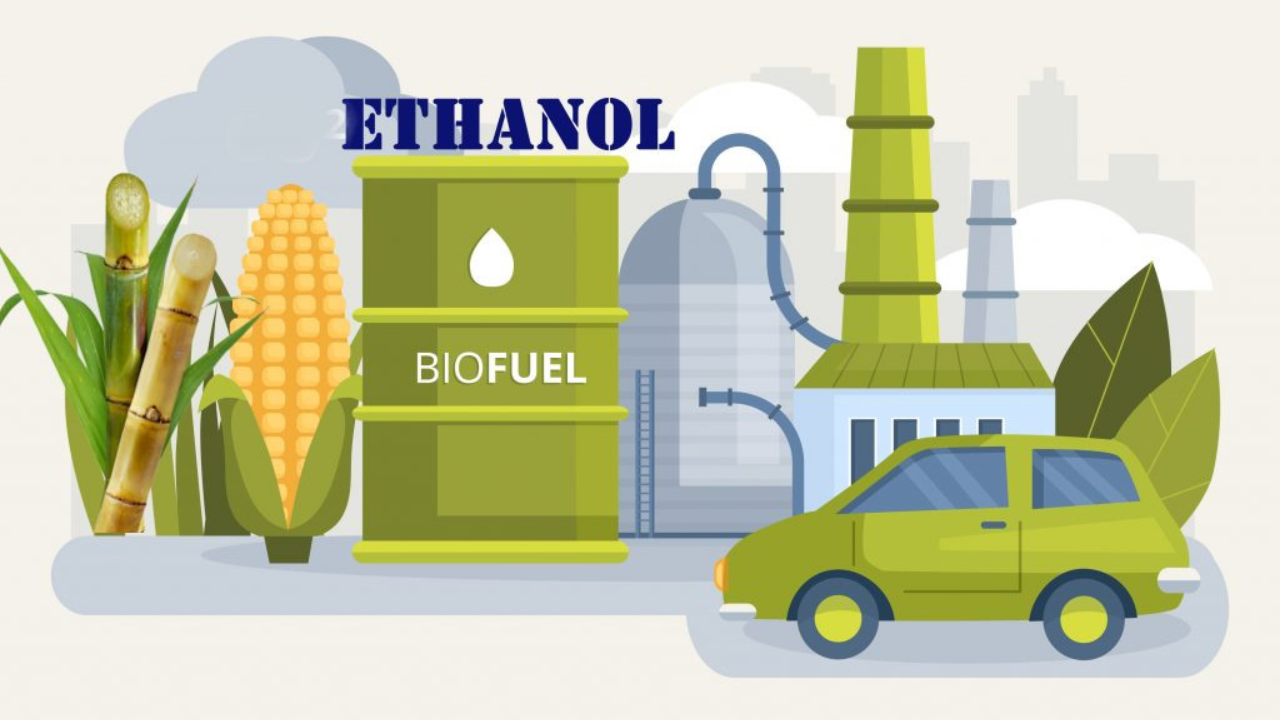
E85 and E100 Fuels Explained: Everything Vehicle Owners Need to Know
India has been increasing ethanol blending in petrol as part of efforts to reduce dependence on crude oil imports. After achieving E20 blending in petrol, the government is now planning the rollout of E85 and E100 fuels for vehicles designed to operate on higher ethanol concentrations.
According to Union Petroleum Minister Hardeep Singh Puri, the initial rollout of ethanol dispensing infrastructure will begin in selected regions before expanding to major cities across the country.
Also read: Ola Electric Registers 15,139 EVs in May 2026, Records 23 percent M-o-M Growth
What Are E85 and E100 Fuels?
E85 and E100 are fuel blends containing a high proportion of ethanol.
- E85 consists of 85 percent ethanol and 15 percent petrol.
- E100 contains around 93-95 percent ethanol, with the remaining portion made up of petrol and other additives.
These fuels are different from E20 petrol, which contains up to 20 percent ethanol. Due to the significantly higher ethanol concentration, E85 and E100 require specially engineered vehicles and cannot be used in standard E20-compliant vehicles without modifications.
What Changes Are Needed in Vehicles?
Vehicles designed for E85 and E100 fuels require modifications to the fuel system and engine management systems.
Fuel System Components
Ethanol contains less energy per litre than petrol, meaning engines need a larger volume of fuel to produce similar power output. As a result, flex-fuel vehicles generally require:
- Higher-capacity fuel pumps
- Larger fuel injectors
- Ethanol-resistant fuel lines and seals
- Corrosion-resistant fuel system components
Ethanol can absorb moisture from the atmosphere, which can increase the risk of corrosion if conventional materials are used.
Engine Management and Sensors
Flex-fuel vehicles also use an ethanol content sensor that measures the percentage of ethanol in the fuel tank. This information is sent to the engine control unit (ECU), which adjusts fuel injection and ignition settings accordingly.
Cold-start calibration is also different, as ethanol vaporises less easily than petrol at lower temperatures.
Benefits of E85 and E100 Fuels
Reduced Dependence on Imported Oil
One of the key objectives behind higher ethanol blending is to reduce the country's reliance on imported crude oil by increasing the use of domestically produced fuel.
Higher Octane Rating
Ethanol has a higher octane rating than conventional petrol. This allows engines designed for ethanol blends to operate with different ignition settings while reducing the likelihood of engine knocking.
Lower Tailpipe Emissions
Ethanol combustion can reduce emissions of carbon monoxide (CO), nitrogen oxides (NOx), and unburned hydrocarbons compared with conventional petrol.
However, ethanol combustion can also generate acetaldehyde, which is considered a hazardous air pollutant.
Limitations of E85 and E100 Fuels
Lower Fuel Efficiency
The main drawback of higher ethanol blends is lower fuel economy.
Industry estimates suggest:
- Vehicles running on E85 may consume 20-30 percent more fuel than petrol-powered vehicles.
- Vehicles using E100 may experience fuel consumption increases of around 35 percent compared with petrol.
As a result, drivers may need to refuel more frequently.
Higher Vehicle Development Costs
Flex-fuel technology requires additional hardware and engineering changes. These costs can increase vehicle prices compared with conventional petrol-powered models.
Industry estimates indicate that adapting a passenger vehicle for E85 or E100 compatibility can add to manufacturing costs due to fuel system upgrades and calibration requirements.
Will E85 and E100 Be Cheaper Than Petrol?
The government has indicated that E85 and E100 fuels are expected to be priced below petrol because ethanol is produced domestically.
While pricing details have not yet been announced, lower fuel prices could help offset some of the increased fuel consumption associated with ethanol-based fuels.
Fuel Availability Plans
The government plans to gradually expand ethanol fuel infrastructure across the country.
According to statements made by Petroleum Minister Hardeep Singh Puri in 2026:
- An initial network of 50-100 ethanol dispensing stations is planned for the Delhi-NCR and Mumbai-Pune-Nagpur corridors.
- The number is expected to increase to around 500 stations by December 2026.
- A target of approximately 5,000 ethanol dispensing stations has been outlined for major Indian cities by the end of 2027.
The pace of expansion is expected to depend on vehicle adoption and fuel demand.
Elctrik Speaks
The planned introduction of E85 and E100 fuels marks another step in India's broader strategy to diversify transportation energy sources. While higher ethanol blends could help reduce crude oil imports and support domestic fuel production, their long-term success will depend on vehicle availability, fuel pricing, infrastructure development, and consumer acceptance. The rollout of flex-fuel vehicles and ethanol dispensing stations will be key factors in determining how quickly these fuels become part of the mainstream automotive market.