
Delhi EV Policy Explained: Who Gets Road Tax Exemption, Incentives and Other Benefits
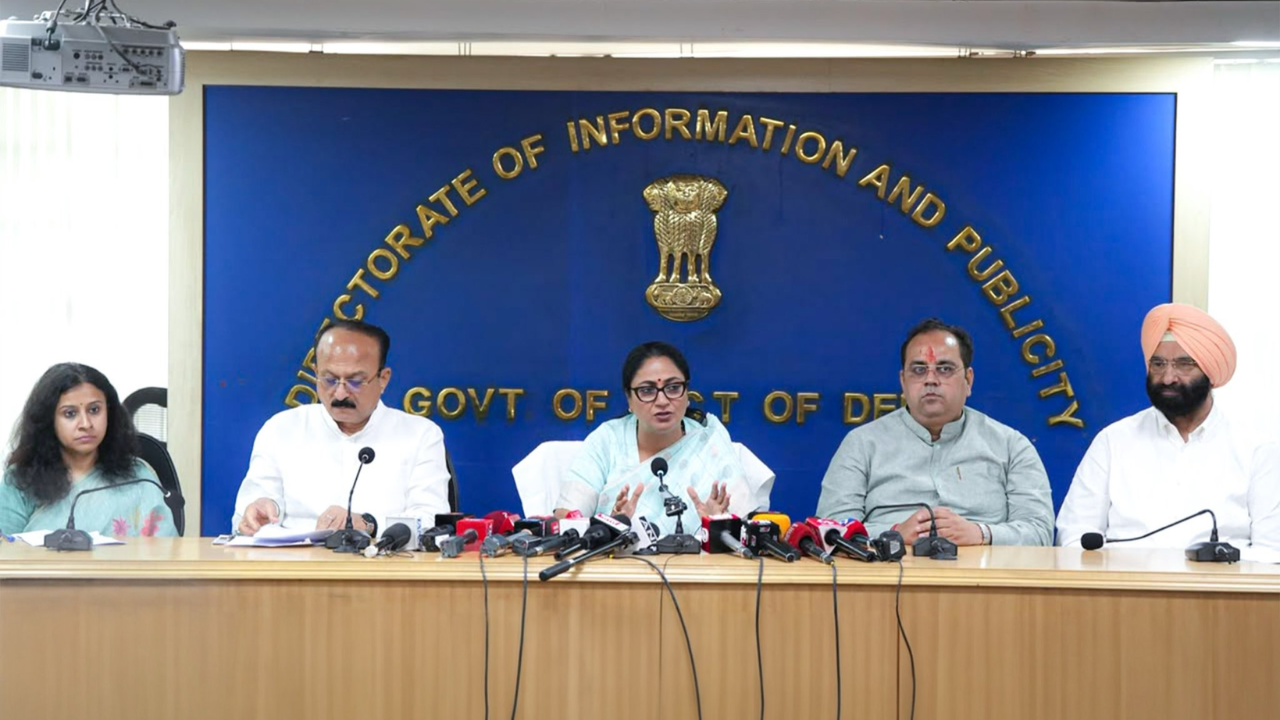
The Delhi Cabinet has approved the new Electric Vehicle (EV) Policy 2.0, which will be implemented from July 1, 2026, and remain in force until March 31, 2030. The policy introduces purchase incentives, registration benefits, scrappage support, charging infrastructure expansion, and a phased transition towards electric vehicles across multiple categories.
Delhi EV Policy Explained: Who Gets Road Tax Exemption, Incentives and Other Benefits
The Delhi Cabinet has approved the Electric Vehicle (EV) Policy 2.0, which will come into effect from July 1, 2026, and remain valid until March 31, 2030. The policy outlines measures to increase electric vehicle adoption through financial incentives, charging infrastructure expansion, and phased registration changes for new vehicles.
Road Tax and Registration Fee Benefits
Under the new policy, electric cars priced up to Rs 30 lakh will receive a 100% exemption on road tax and registration fees. The benefit applies only to eligible battery electric vehicles.
Also read: VinFast India Appoints Vineet Srivastava As Deputy CEO For E-Scooter Business
Purchase Incentives for Electric Vehicles
The policy provides direct purchase incentives for different categories of electric vehicles. These include:
- Electric two-wheelers: Up to ₹30,000
- Electric three-wheelers: Up to ₹50,000
- N1 category electric goods carriers: Up to ₹1 lakh
The incentive amount will be transferred directly to eligible beneficiaries through the Direct Benefit Transfer (DBT) system.
Scrappage Incentives Introduced
Vehicle owners scrapping eligible older vehicles can receive incentives ranging from Rs 5,000 to Rs 1 lakh, depending on the vehicle category. The policy also includes a scrappage-linked incentive of up to ₹1 lakh for replacing eligible older BS-IV four-wheelers with battery electric vehicles.
Registration Rules for New Vehicles
The policy introduces a phased transition for new vehicle registrations in Delhi.
From January 1, 2027, only new electric auto-rickshaws and electric N1 goods carriers will be eligible for registration.
From April 1, 2028, registration of new petrol-powered motorcycles and scooters will stop, and only new electric two-wheelers will be registered.
The government has clarified that these provisions apply only to new vehicle registrations. Existing petrol and CNG vehicles already registered in Delhi can continue to operate as per applicable regulations.
Charging Infrastructure Expansion
As part of the policy, the Delhi Government plans to install more than 30,000 EV charging points across the city to support the growing electric vehicle fleet.
Hybrid Vehicles Not Included
The approved policy does not provide any incentives or tax benefits for hybrid vehicles. While earlier draft proposals had considered concessions for strong hybrid vehicles priced below ₹30 lakh, the final policy limits benefits to battery electric vehicles.
Elctrik Speaks
The Delhi EV Policy 2.0 introduces a roadmap for increasing electric vehicle adoption through financial incentives, charging infrastructure expansion and phased registration changes. With implementation beginning on July 1, 2026, the policy provides defined timelines for different vehicle categories while allowing existing internal combustion engine vehicles to continue operating under current regulations.