
Delhi EV Policy 2026–2030 Draft Proposes 100 percent Road Tax Waiver for Electric Cars Priced Up to Rs 30 Lakh
The draft Delhi EV Policy 2026–2030 proposes a full exemption on road tax and registration fees for electric cars priced up to rs 30 lakh. The policy also outlines incentives, charging infrastructure plans, and timelines for vehicle electrification across segments.
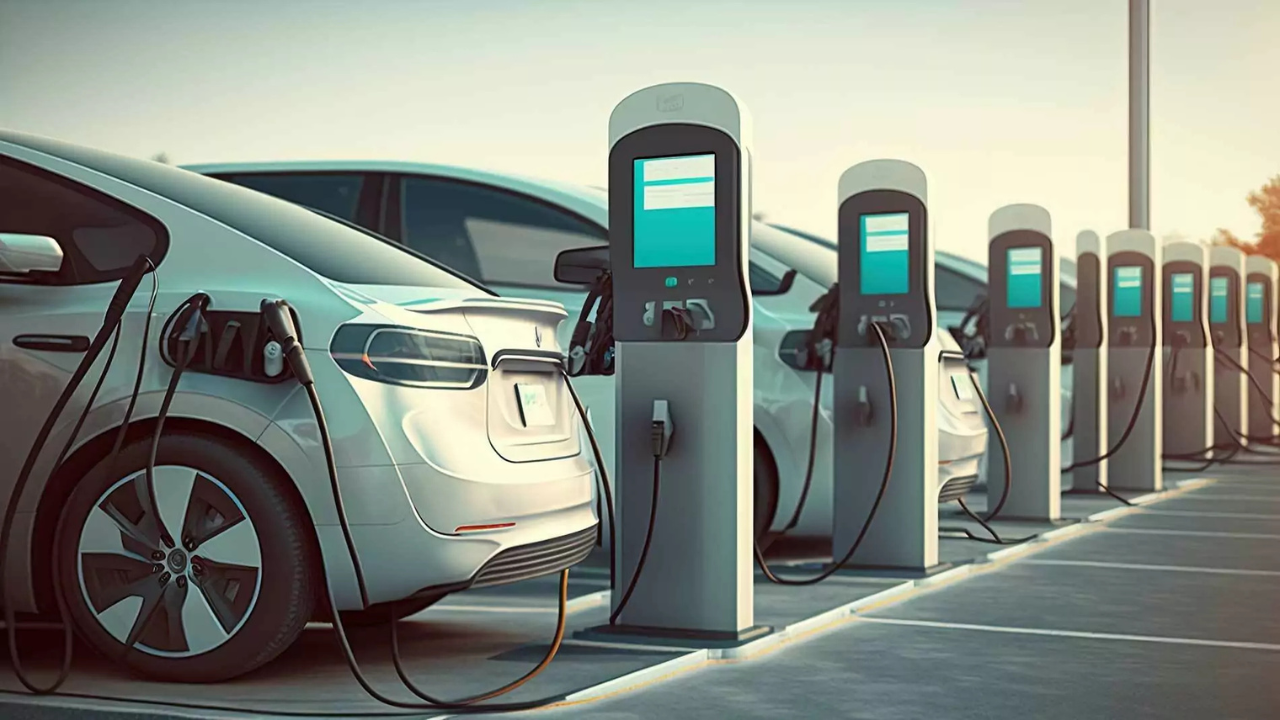
The Government of NCT of Delhi released the draft Electric Vehicle Policy 2026–2030 on April 11, 2026, inviting public comments within 30 days. The policy outlines measures to increase electric vehicle adoption and reduce vehicular emissions in the city.
Road Tax and Registration Fee Exemption
Under the draft policy, electric cars with an ex-showroom price of up to Rs 30 lakh will be eligible for a 100% waiver on road tax and registration fees. This exemption will be applicable for vehicles registered during the policy period until March 31, 2030.
Electric cars priced above Rs 30 lakh will not receive this benefit. Strong hybrid electric vehicles in the same price range will receive a 50% exemption.
Also Read: Mercedes-Benz A-Class, EQA, EQB, EQE SUV Discontinued in India
Incentives Across Vehicle Segments
The policy proposes financial incentives for multiple vehicle categories:
- Electric two-wheelers: Incentives linked to battery capacity, with a maximum of Rs 30,000 in the first year, reducing in subsequent years
- Electric three-wheelers (L5M): Up to Rs 50,000 incentive in the first year
- Electric goods vehicles (N1): Up to Rs 1 lakh incentive in the first year
These incentives will be provided through direct benefit transfer to eligible buyers.
Scrappage Incentives
Additional incentives are proposed for scrapping older vehicles:
- Rs 10,000 for two-wheelers
- Rs 25,000 for three-wheelers
- Rs 1 lakh for electric cars (limited to first 1 lakh applicants, with price cap of Rs 30 lakh)
The benefit will apply to vehicles scrapped within six months of purchase.
Charging Infrastructure and Implementation
The policy assigns Delhi Transco Limited as the nodal agency for planning and deploying charging and battery swapping infrastructure. A single-window clearance system is proposed to simplify approvals for charging stations.
Electrification Targets and Mandates
The draft includes phased electrification targets:
- Only electric three-wheelers to be registered from January 1, 2027
- Only electric two-wheelers to be registered from April 1, 2028
It also proposes electrification mandates for school buses, fleet operators, and government vehicles.
Focus on Air Quality and EV Ecosystem
The policy links EV adoption with efforts to reduce air pollution, noting that vehicular emissions contribute significantly to Delhi’s air quality concerns. It also includes provisions for battery recycling, digital systems for implementation, and development of EV supply chains.
Elctrik Speaks
The draft policy outlines fiscal incentives and regulatory steps to increase EV adoption, with a focus on price-linked benefits and phased restrictions on conventional vehicles.
Sahil Jindal, Co-founder & Chief Growth Officer, Trevel, said, “The Draft Delhi EV Policy 2026 is a strong and progressive step towards accelerating EV adoption, especially in commercial mobility. Incentives like road tax waivers and support for charging infrastructure make EVs more viable for both consumers and fleet operators. However, the real impact will depend on execution. Ease of operations, reliable charging access, and clear transition timelines will be key for large-scale adoption. If implemented well, this policy can position Delhi as a leading EV mobility ecosystem while significantly improving air quality and driving a faster shift towards sustainable urban transport.”