
Delhi EV Policy 2.0: Special Cash Incentives for Female Drivers!
Delhi's government just dropped details on its EV Policy 2.0 draft. Putting women drivers front and center with special cash incentives...
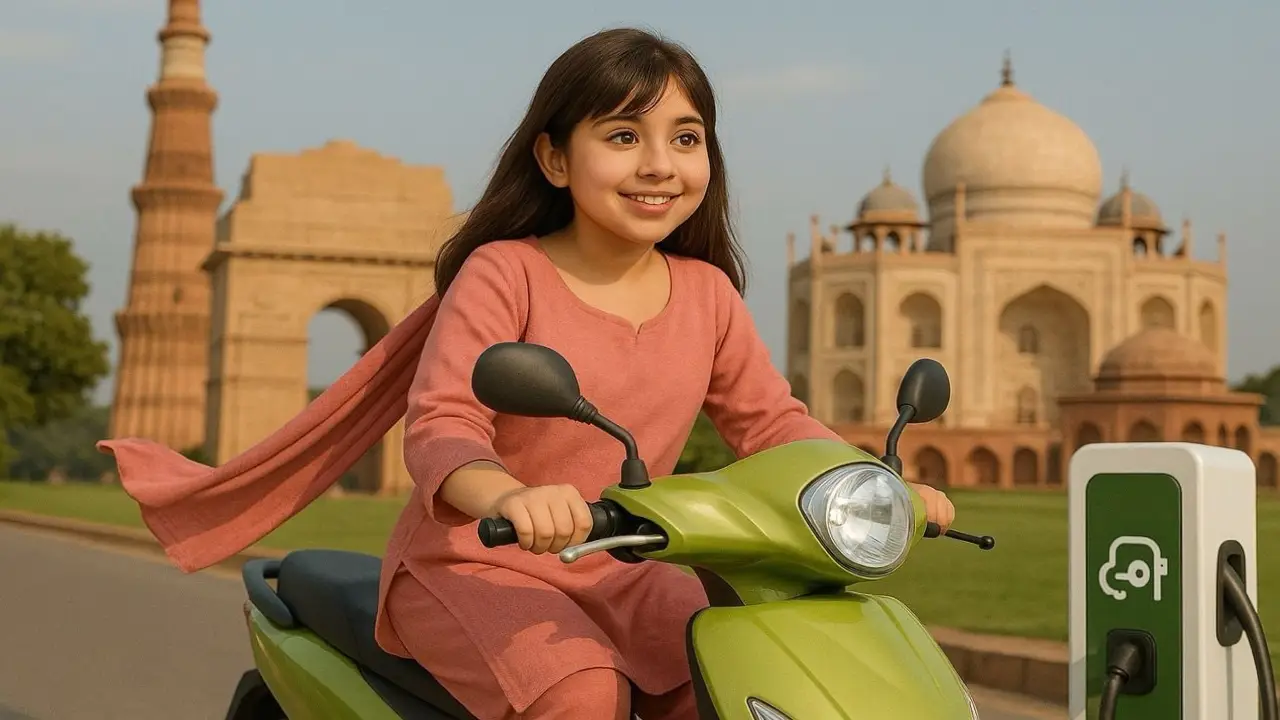
Delhi's government just dropped details on its EV Policy 2.0 draft. Putting women drivers front and center with special cash incentives to speed up electric vehicle uptake. Unveiled in early January 2026, this update builds upon the old policy set to expire soon. Mixing bigger subsidies, scrappage perks, and charging boosts. Transport chiefs call it a game-changer for cleaner streets-especially with the city eyeing 95% EV adoption by 2027.
More Subsidy for Women Riders
The standout feature hits two-wheelers hard. Women snapping up electric scooters or bikes get ₹30,000 off to ₹9,000 more than the ₹21,000 that everybody else will get. This push comes as Delhi plans to hit 12 lakh e2Ws on roads over three years.
Key benefits break down as follows:
- Two-wheelers: Rs 30,000 for women, Rs 21,000 standard; caps at first 1.2 lakh units.
- Four-wheelers: Ex-gratia incentive of Rs 1 lakh on the first 27,000 cars costing less than Rs 25 lakh ex-showroom.
- Retrofitting: Rs 50,000 to convert 1,000 old petrol/diesel cars to electric.
Rollout Timeline and Bigger Picture
The policy is expected to begin right after the current one ends this month. Public feedback will help shape the final version by early 2026. The policy runs through March 2030, aligning with national efforts like PM E-Drive. A Transport Department review in January 2026 revealed no delays, even with previous extensions.
The infrastructure also gets attention. Including neighborhood charging stations and 2.5 GWh battery storage by the end of the decade. Scrappage for old vehicles will be paired with R&D funding increasing to Rs 100 crore.

Extra Incentives at a Glance
- 5% interest subsidy on loans for buyers.
- Local manufacturing support for batteries and chargers.
- A phase-out for CNG autos, aiming for 95% EVs in public fleets by 2027.
ELCTRIK Speaks
Delhi EV Policy 2.0's subsidies for women represent a smart step toward greener urban mobility. This approach combines fairness with ambition. This strategy effectively targets the growing number of female riders. It helps break down barriers to adoption, especially with rising fuel prices. This policy shows that governments can make real change without overspending. It benefits women, wallets, and air quality.