
CAFE III Fuel Efficiency Norms Set for 2027 Rollout; No Extension Expected
India’s next phase of fuel efficiency standards, CAFE III, is scheduled to begin in April 2027, with the government indicating no extension. The draft framework proposes revised emission targets, changes in credit systems, and flexible compliance options.
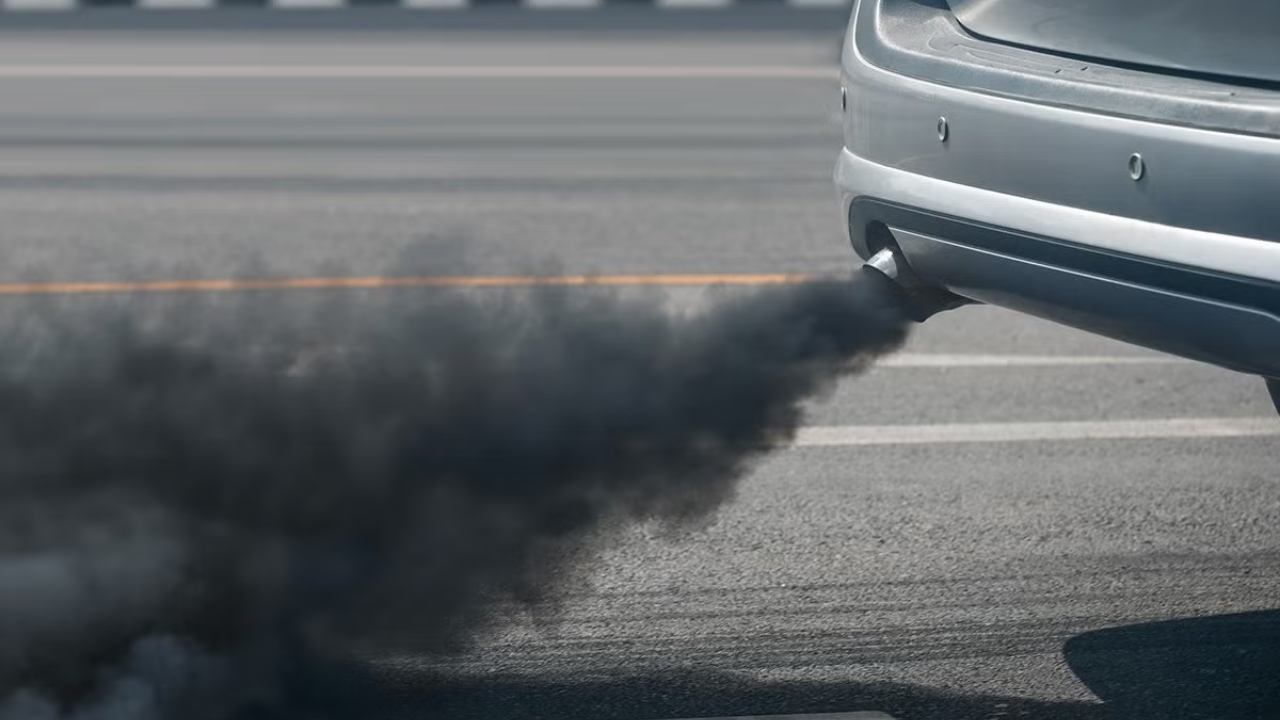
The Government of India plans to implement the third phase of Corporate Average Fuel Efficiency (CAFE III) norms starting April 1, 2027. The norms will remain in force until March 31, 2032. According to Hanif Qureshi, Additional Secretary at the Ministry of Heavy Industries, there may be no need to extend the deadline. He stated that discussions with industry stakeholders have been ongoing and feedback has been considered during the drafting process.
Also read: Statiq 3.3kW Portable EV Charger Creates Stable Charging Opportunities at Your Home!
Changes in Emission Targets
The draft CAFE III framework proposes updated fuel efficiency and carbon emission targets for passenger vehicles.
- A revised formula introduces a higher reference weight and multiplier
- This creates a flatter efficiency curve, allowing slightly higher emissions for heavier vehicles
- The earlier proposal of an additional 3g CO2/km benefit for small cars has been removed
The easing for smaller vehicles is now built into the revised calculation method rather than being offered as a separate benefit.
Industry Views on Small Cars
Automakers have expressed different views on the treatment of small cars under the new norms.
- Companies such as Maruti Suzuki and Toyota Kirloskar Motor have supported continued benefits for smaller vehicles
- Firms including Tata Motors, Mahindra & Mahindra, Hyundai and Kia have opposed differential treatment
The debate centres on cost, safety requirements, and the impact on vehicle pricing.
Changes to Credit Mechanism
The draft also proposes revisions to compliance incentives and credits:
- Super credits for strong hybrids may reduce from 2.0 to 1.6
- Flex-fuel vehicle credits may reduce from 1.5 to 1.1
- Electric vehicles will continue to be counted as three vehicles in compliance calculations
Flexible Compliance Options
The framework introduces options aimed at easing compliance:
- Automakers exceeding targets may be allowed to trade surplus carbon credits
- Companies falling short could purchase credits to meet requirements
- Credits may also be sourced from the Bureau of Energy Efficiency
Penalty provisions are also expected to be adjusted under the proposed system.
Next Steps
A meeting involving multiple ministries, including Power, Heavy Industries, and Road Transport & Highways, is scheduled for April 16, 2026, to review the draft norms. The final notification is expected after further consultations and inter-ministerial discussions.
Elctrik Speaks
The proposed CAFE III norms indicate a shift towards tighter emission control while allowing some flexibility in compliance. The revised structure suggests an attempt to balance regulatory targets with industry concerns, especially around cost and vehicle segments. The final framework will determine how effectively these norms influence fuel efficiency and emissions in the passenger vehicle market.