
BMW iX5 Hydrogen: Real-World Testing Begins as 2028 Launch Takes Shape
BMW has put its hydrogen strategy into full drive mode. The iX5 Hydrogen is currently undergoing testing on the road. While BMW is ramping...
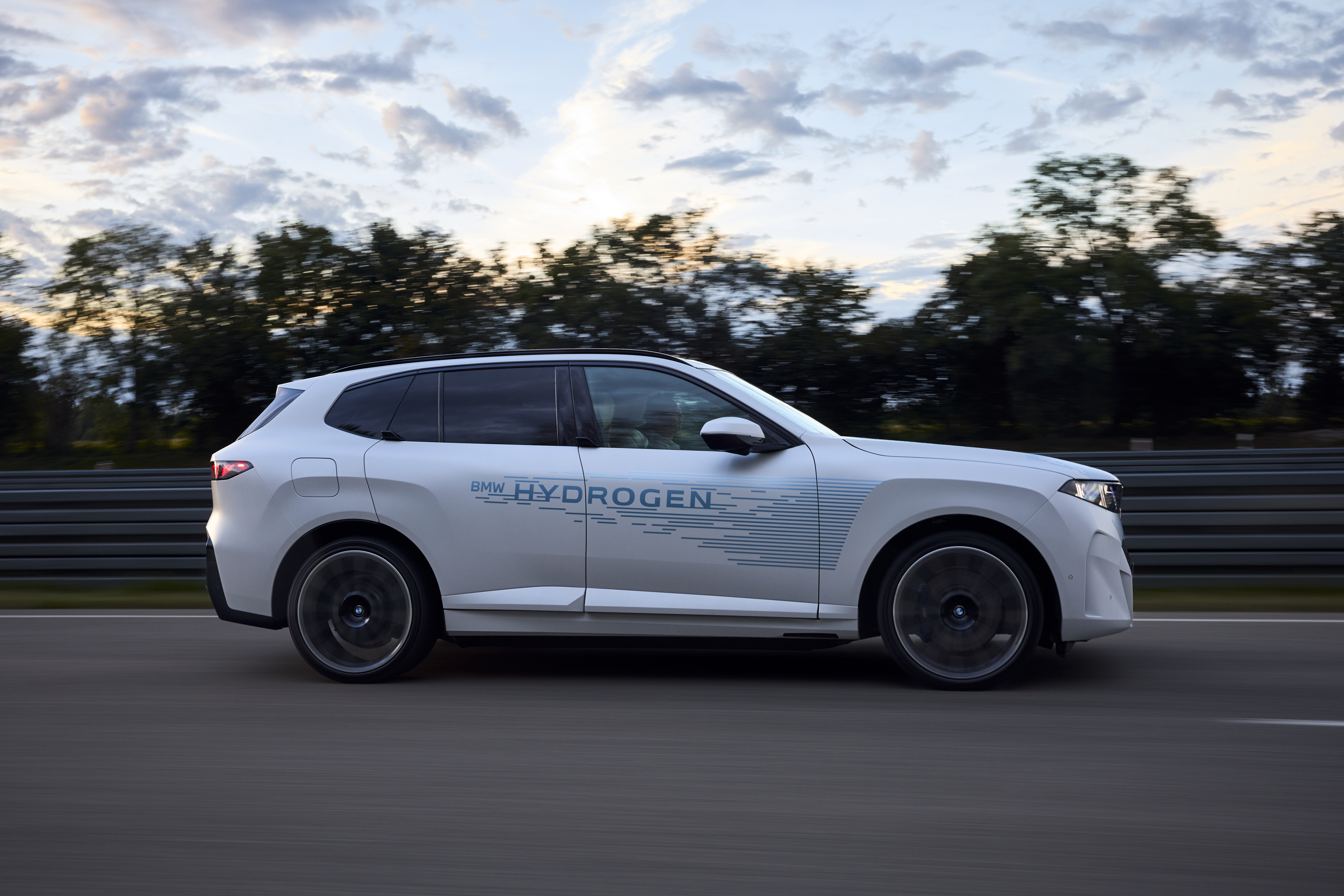
BMW iX5 Hydrogen

BMW has put its hydrogen strategy into full drive mode. The BMW iX5 Hydrogen is currently undergoing testing on the road. While BMW is ramping up assembly of its third generation of fuel cells at the Munich facility. They are preparing series production tooling at the Steyr plant in Austria. Having passed the test drive of the pilot fleet around the world. BMW claims that the BMW iX5 Hydrogen will become its first series model on hydrogen and go into the market in 2028.
Also Read: VinFast India Specific EV: VF3 to VFX Detailed Analysis!
Road Testing: From the Lab to The Real Streets
These vehicles undergo a thorough validation process that aims to stress test all components of the power train. The fuel cell, the electric engine, the high voltage battery, hydrogen tanks and the control systems under different climatic conditions, loading and driving style. The idea behind this stage of the testing process is very clear. To make sure that the system works and the vehicle is reliable, performs constantly and remains a BMW. This stage comes after a number of tests including bench and pilot fleet testing.
Josef Hochreiter, head of Hydrogen Vehicles at the BMW Group, said “Our ambition for the BMW iX5 Hydrogen is clear: a true BMW – with Sheer Driving Pleasure. A perfectly coordinated overall system is crucial for this. Current testing demonstrates how the fuel cell system, high-voltage battery and electric drive train are already successfully integrated and how systematically we are developing the technology towards series production.”
Parallel Industrialisation: Munich and Steyr
BMW is not wasting any time while waiting for the tests to end. As the construction of the factory is happening parallelly with the tests:
- Munich (Hydrogen Competence Centre): A new assembly line phase is now in progress for the third-generation fuel cell system, in terms of series production of the basic system hardware.
- Steyr, Austria (engine plant): At the site, series production technology is being installed for future manufacture of hydrogen drive train components.
Relevant Targets: Range, Refuelling Time & Performance
BMW has set a target range of performance features and capabilities of their iX5 Hydrogen as part of their electric range of cars:
- 0-100 km/h (0-62 mph) acceleration: Below 5.0 seconds, still staying within the range of expected performance for the X5.
- WLTP range: up to 750 km (about 466 miles), due to a compact flat hydrogen tank and Gen3 fuel cell.
- Refuelling time: less than five minutes at a hydrogen station, as fast as refuelling with gasoline.
The BMW iX5 Hydrogen uses a fuel cell to produce electricity for the motor, and not an engine to burn the hydrogen. One of the additional features is an in-house "Energy Master" control device. It will work with a high-performing battery and ensures quick charging. The exact power, torque, and battery capacity data will be announced before the release of the car.
Claudia Stephan, head of Technology Development and Fuel Cell Prototype Assembly at the BMW Group, said “Prototype assembly is about much more than manufacturing individual components. Each phase helps us optimise processes, gain experience and systematically share this knowledge with the teams in Steyr. In this way, we are laying the foundation for the next steps on the road to industrialisation.”
Why Hydrogen, and Why Now?
BMW positions its iX5 Hydrogen vehicle as a piece of an open technologies approach. The X5 range is expected to become the first BMW line that will have five different drivetrains. Including gasoline, diesel, plug-in hybrid, electric, and starting from 2028, hydrogen fuel cells. In cases when charging times become too problematic and long. The use of long-distance SUVs fueled by hydrogen may become an option complementary to battery cars.
Moreover, there are additional tailwinds in terms of public policies supporting hydrogen mobility. The project is supported with €191 million from the German Federal Ministry of Transport and €82 million from Bavaria.
ELCTRIK Speaks
The fact that BMW decided to conduct road testing and fuel cell industrialization simultaneously. It means that the company considers hydrogen technology to be a viable alternative to batteries and not just a subsidiary project. If BMW manages to produce an BMW iX5 Hydrogen car with a range of 750 km and a five-minute refueling period by 2028. It will be able to claim its market share among consumers who travel long distances. This is not to say that hydrogen will necessarily compete with EVs in every possible way, but it will do it selectively.