
Beyond EV Adoption: Why India Needs a Smarter Vehicle Compliance Ecosystem
India’s mobility landscape is undergoing a fundamental transformation. Electric vehicles, connected technologies and digital...
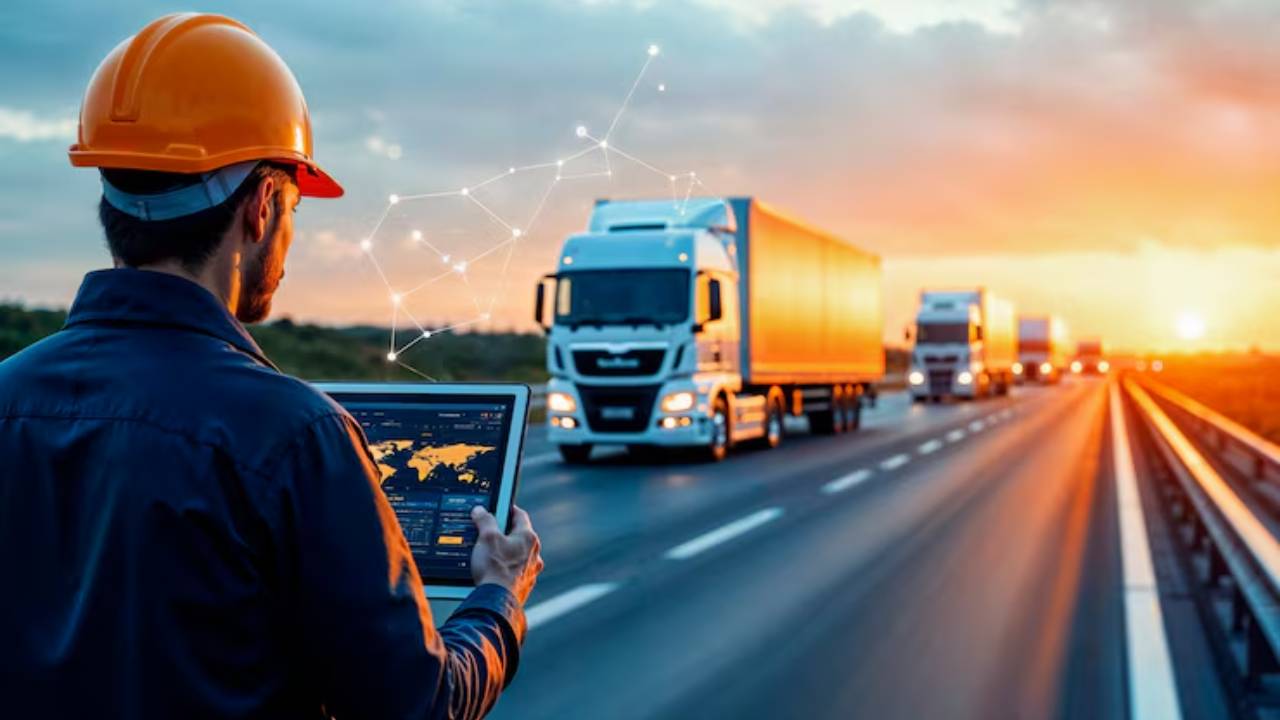
vehicle compliance system

Author - Himanshu Gupta
India’s mobility landscape is undergoing a fundamental transformation. Electric vehicles, connected technologies and digital infrastructure are changing the way vehicles are built, operated and monitored. But as the country focuses on accelerating EV adoption and building the mobility ecosystem of the future, there is another layer that deserves equal attention: vehicle compliance.
The future of mobility will not be defined by technology alone. It will also depend on how effectively vehicles, drivers and businesses can navigate an increasingly complex regulatory environment.
India today has over 37 million commercial vehicles on the road, with road transport accounting for nearly 70% of the country’s freight movement. At the same time, enforcement systems have become increasingly sophisticated, with close to 80 lakh traffic challans being generated every month through increasingly digital and automated mechanisms.
These numbers highlight an important reality. India is not just building a smarter and more connected mobility ecosystem; it is also creating an environment where compliance is becoming increasingly important to keeping vehicles moving.
Also Read: EMO Energy & e-Sprinto Partners to Deploy 8,000 electric scooter in India
Smarter Vehicles, But a Complex Compliance Environment
Over the years, fleet operators have invested heavily in GPS tracking, telematics, route optimisation, fuel analytics, FASTag integration and AI-powered monitoring systems. These technologies have significantly improved visibility and control over transportation operations.
Today, fleet managers can track vehicles across multiple states in real time, monitor driver behaviour, optimise routes dynamically and predict delivery timelines with greater accuracy. Transportation has become smarter, more connected and more data-driven than ever before.
Yet technology has not eliminated the operational challenges created by compliance.
Vehicles can still be detained. Deliveries can still be delayed. Drivers can still find themselves dealing with permit disputes, challan escalations, documentation issues or enforcement actions, sometimes hundreds of kilometres away from their home base.
The irony is that the industry has become exceptionally good at tracking vehicles, but still faces challenges in navigating the compliance requirements that determine whether those vehicles can continue operating.
As India moves towards a more connected and increasingly electric mobility ecosystem, this gap needs to be addressed.
The Compliance Burden Does Not Disappear With Newer Vehicles
The transition to newer vehicle technologies does not eliminate the need for regulatory compliance. Vehicles still operate within a network of permits, licences, insurance requirements, fitness certificates, pollution norms, taxation rules and state-specific obligations.
For commercial vehicles moving across cities, industrial corridors and state borders, managing these requirements can become increasingly complex.
A vehicle may be fully operational and roadworthy, yet still face disruption because of an expired permit, a documentation gap, an unresolved challan or a jurisdiction-specific regulatory issue. What appears to be a relatively small compliance lapse can quickly become a major operational challenge.
This is where the conversation around the future of mobility needs to expand. Building smarter vehicles is only one part of the equation. India also needs smarter systems that help vehicles and their operators remain compliant throughout their journey.
Compliance Is Becoming a Business Continuity Issue
Compliance is often viewed primarily as a legal or regulatory responsibility. For the transportation industry, however, its implications extend much further.
When a commercial vehicle is detained, deliveries can be delayed, drivers can remain idle and supply chains can slow down. For industries such as logistics, FMCG, e-commerce, pharmaceuticals and perishables, even a few hours of disruption can create cascading operational consequences.
The impact can therefore extend beyond a penalty to lost time, disrupted operations and lost revenue.
This makes compliance a business continuity requirement, not simply a legal obligation.
As vehicle fleets become more technology-driven, compliance readiness needs to become an integral part of fleet and mobility management rather than something addressed only after an incident occurs.
Enforcement Has Become Smarter. Compliance Management Must Follow.
One of the biggest changes in the transportation ecosystem has been the digitalisation of enforcement.
AI-enabled surveillance systems, automated number plate recognition (ANPR), e-challan platforms and integrated enforcement mechanisms have fundamentally changed how violations are detected and recorded. Enforcement is now faster, more consistent and increasingly automated.
This means the likelihood of non-compliance going unnoticed is lower than ever.
Yet compliance management across the industry often remains reactive. Problems are discovered after they occur. Challans are addressed after they escalate. Documentation gaps surface during inspections. Risks become visible only when they begin affecting operations.
This creates a clear need to rethink the way compliance is managed.
The critical question for fleet operators is no longer simply, “Where is my vehicle?” It is increasingly, “Is my vehicle compliant everywhere it operates?”
The Driver Must Be Part of the Compliance Ecosystem
Technology has transformed how fleet managers monitor vehicles, but the driver remains at the centre of India's transportation network.
Every day, millions of drivers spend long hours on highways and roads, dealing with traffic conditions, weather disruptions, vehicle breakdowns and demanding delivery schedules. When a legal or compliance-related issue arises, they may be left to navigate the situation on their own.
A roadside detention, permit dispute, accident or enforcement interaction can quickly become a stressful and uncertain experience, particularly when it occurs far from home.
This highlights an important limitation of technology-led mobility.
A truck can be tracked to the nearest kilometre. But when a driver needs support during a legal or compliance-related incident, tracking alone cannot solve the problem.
A smarter compliance ecosystem therefore needs to put the driver into the centre of the conversation, combining visibility with timely guidance, support and incident response.
India Needs to Think of Compliance as Infrastructure
For decades, India invested in physical transportation infrastructure including roads, toll networks, fuel stations and warehouses. More recently, investment in digital infrastructure has given operators greater visibility into their fleets.
The next phase of mobility will require another layer: compliance infrastructure.
This means systems that help drivers and operators navigate the regulatory realities of transportation with the same confidence with which they navigate physical roads.
Such an approach can help move the industry away from fragmented and reactive compliance management towards a more structured ecosystem where regulatory risks, legal support and incident response are integrated into everyday mobility operations.
There is already growing recognition that roadside legal assistance, compliance support and incident response cannot remain fragmented or reactive. Fleet operators increasingly need structured support systems that can minimise disruption, reduce uncertainty and prevent compliance challenges from becoming larger operational crises.
Moving Beyond EV Adoption
EV adoption will remain an important part of India's mobility transition. But the future of transportation will ultimately depend on much more than the vehicles themselves.
It will depend on whether the ecosystem around those vehicles is capable of supporting them efficiently, responsibly and compliantly.
Technology will continue to power the future of transportation. But the organisations that lead the next phase will not simply be those with the smartest vehicles or the most advanced technology. They will be those that combine technology with compliance readiness, operational efficiency with legal preparedness, and innovation with accountability.
India's transportation industry has spent years building visibility. The next step is to build resilience.
Beyond EV adoption, the country needs a smarter vehicle compliance ecosystem — one that makes compliance more proactive, accessible and integrated into the way mobility operates.
(Disclaimer: The views and opinions expressed in this article are solely those of Himanshu Gupta, Founder & CEO at Lawyered. and do not necessarily reflect the official stance of Elctrik. The publication is intended for informational and discussion purposes only.)